Native Pet Cat Supplements Petco: 5 Formulas Explained
Valentina Johnson
Founder & Lead Pet Care Writer
Hands-On Tested Advice
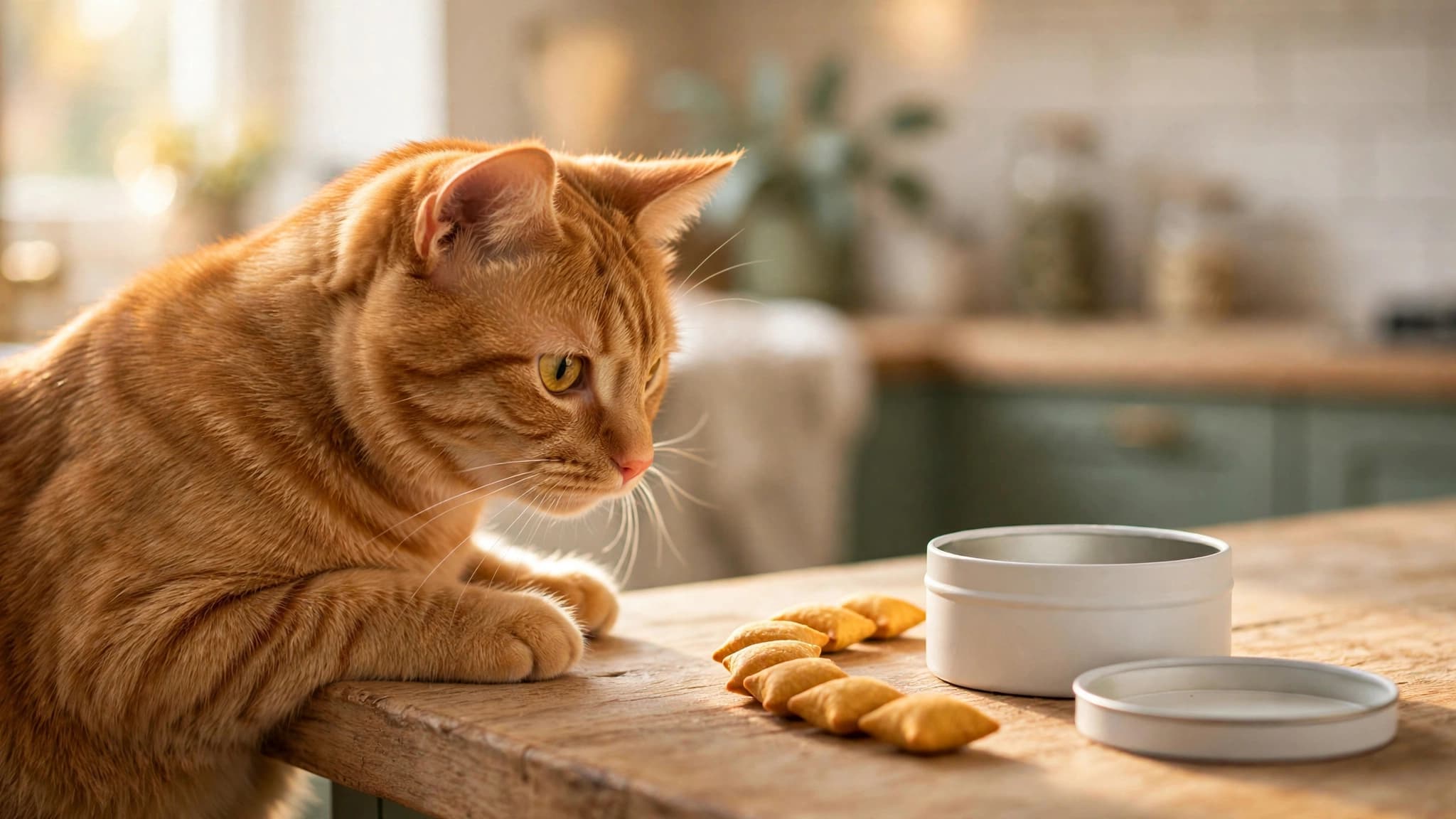
It is 5:45 a.m., you are bare-footed in the hallway and your cat has left you with a fur-filled surprise on the carpet. Again. Perhaps she hides during all thunderstorms, too, or even her nose up at anything that smells of a medicine. This guide is recommended to you in case you want to be able to perform the daily feline care as a guesswork. This is how each of the five new chews designed by Native Pet, which will be available in Petco on October 19, is supposed to work.
Quick Answer: Native Pet has five daily, chicken-flavored chews in their first feline line: Multivitamin to maintain daily nutritional health, Probiotic to promote digestion, Hairball to nourish fur and skin, Immune to natural defenses and Calm to relieve stress. They are available in Petco stores throughout the country on October 19 and already sold on the brand Web site. They may not be necessary to healthy cats on a complete diet, so consult your vet.
What Do Native Pet Cat Supplements Do?
Native Pet started in 2017 making dog supplements and now sells in more than 13,000 retail locations (Source: Native Pet press release). Its initial product line to offer felines went on sale on the brand site on September 30. It goes into Petco shelves across the country on October 19 ( Source: Native Pet press release via PR Newswire).
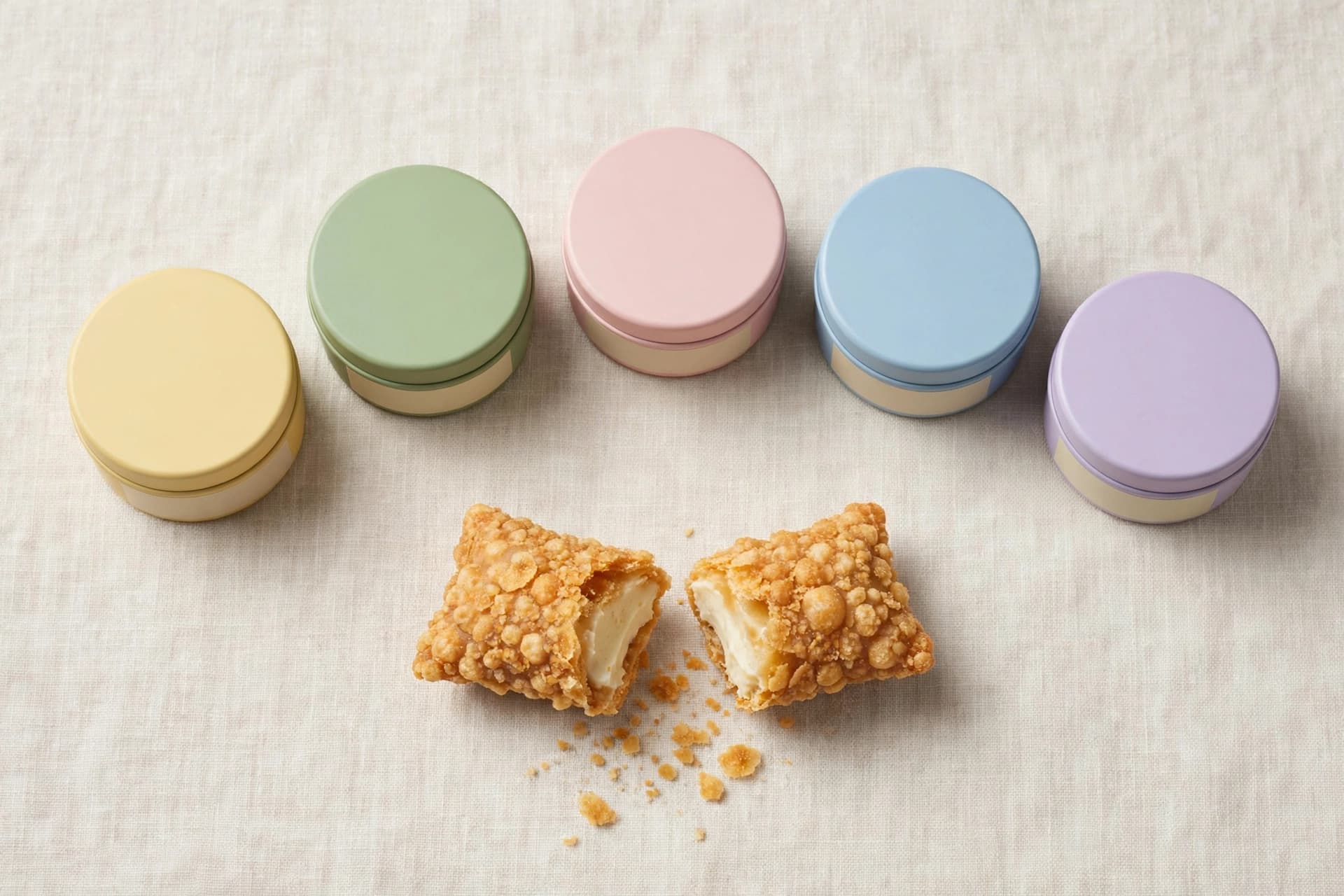
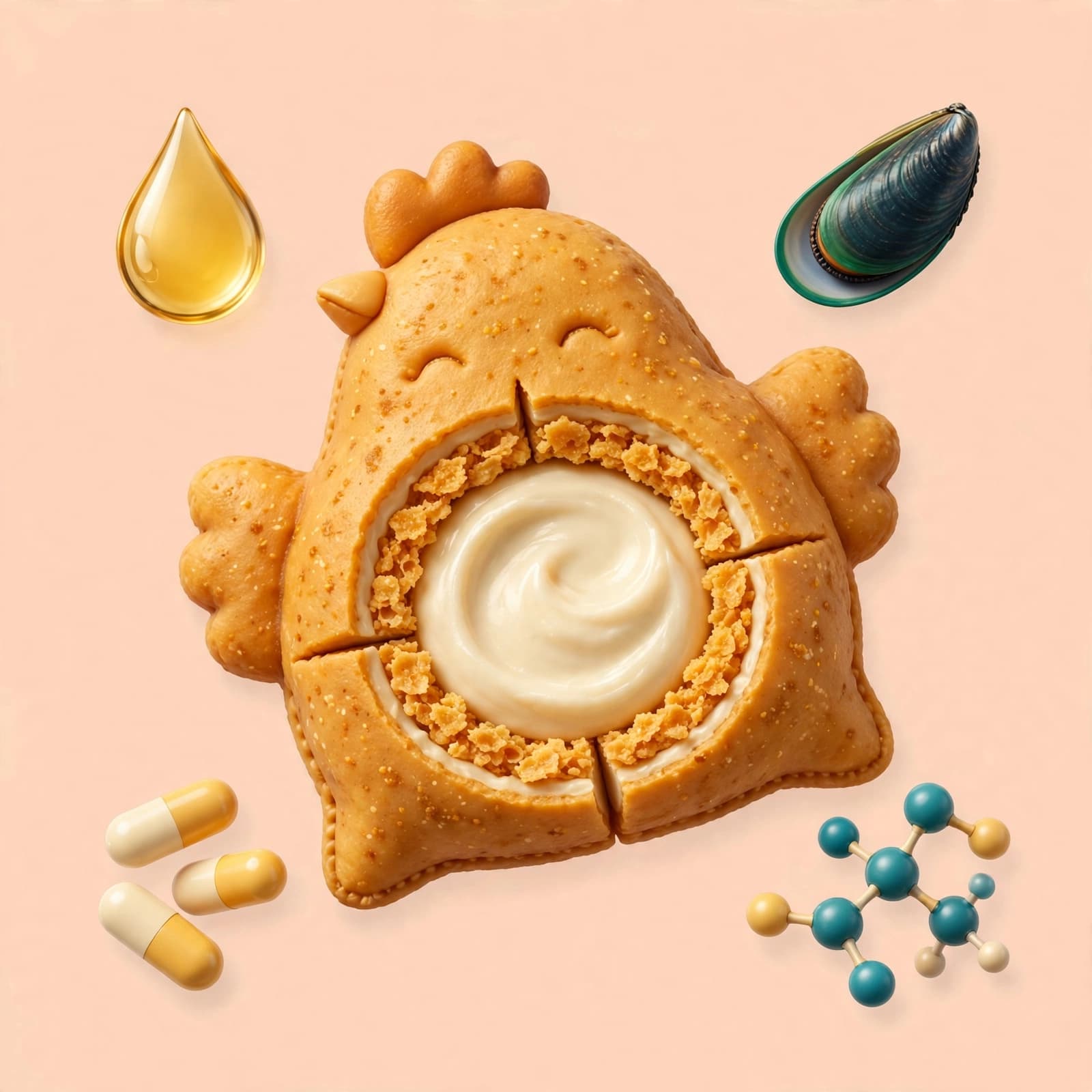
Each of these five products has the same format; a small chicken pillow that has a crunchy exterior and a creamy interior. The texture created by the brand was to picky eaters. Its product pages reference a third-party taste test of 20 cats in two days ( Source: Native Pet product pages). It is a small, brand-reported sample, and should be handled as a taste test, not evidence on the outcome of health.
All the formulas are created by Dan Su, DVM, DACVIM (Nutrition), the in-house formulator of the company. Both of them have the NASC Quality Seal or AAFCO nutritional standards (Source: Native Pet press release). Quality Seal is an animal supplement industry voluntary quality-control program (Source: NASC).
The five compare at a glance like this:
Formula
Main job
Standout ingredients (per label)
Best fit
Multivitamin
Everyday nutritional backup
B-vitamins, taurine, L-lysine, fish oil, green-lipped mussel
Vitamins C and E, beta-carotene, L-lysine, probiotic, postbiotic
Cats prone to sniffles (after a vet check)
Calm
Non-drowsy stress support
Hydrolyzed casein, L-tryptophan, taurine
Nervous cats, storms, guests, moves
Do Cats Need Supplements?
Not necessarily, in most normal-adult cats. The food that is referred to as complete and balanced is produced to satisfy the known nutrient requirements of a cat according to the AAFCO standards (Source: AAFCO). Then, a supplement is an addition and not a necessity.
One can be recommended by a vet under such reasons:
A finicky eater with a patchy appetite.
Problem of stool or hairball that recurs.
An elderly cat in need of special care.
Move stress, new baby or pet stress.
Nor are supplements as reviewed as prescription drugs. The FDA generally doesn't pre-approve animal supplements for effectiveness (Source: FDA Center for Veterinary Medicine). That is why third-party quality programs are important, and why a talk with your vet should be a part of the first things first. When to make that visit is explained in our pet health and wellness guides.
Another guideline: sneezing, watery eyes, recurring vomiting or impulsive changes of behavior may be indications of illness. A chew is not able to diagnose any of those and neither treat them, call your veterinarian.
Native Pet Cat Multivitamin: Whole-Body Daily Support
Imagine the Multivitamin as the base of the collection. It’s designed to address general nutritional deficiencies and not a single issue.
It contains the following items in its label: B-vitamins, taurine, L-lysine, calcium, fish oil with EPA and DHA, and green-lipped mussel (Source: Native Pet product pages). Each has a job:
Taurine: an amino acid that cats are unable to produce in sufficient amounts by themselves, which is related to heart and eye health.
Fish oil (EPA and DHA): omega-3 fats that aid the skin and coats.
Green-lipped mussel: an omega-3 source, which supports the joints.
L-lysine and B-vitamins: the brand associates them with the immune system and energy expenditures.
It claims the blend promotes immune, joint, coat, and digestive health. Its vet quote cites picky eaters and cats with fluctuating appetites, whose diets might lack some nutrients.
In case your cat already gets a complete and balanced food well, question your vet on whether the extras would add anything. Our cat nutrition and feeding books demonstrate how to interpret a cat food label.
Native Pet Cat Probiotic: Gut Support for Steadier Stools
The Probiotic chew is a three- aspect gut health. Here are all parts in simple English:
Prebiotic (FOS): prebiotic food to helpful gut bacteria.
Probiotic: beneficial bacteria that are live.
Postbiotic: beneficial substances that said bacteria generate.
In a study of cats, the brand claims that its probiotic, Lactobacillus acidophilus D2/CSL, increased the quality of stool in five weeks (Source: Native Pet product pages). That is a brand-quoted statement, and your vet will have to tell you whether you would like to see the study itself. Gut alterations require weeks, and thus have any digestive product a reasonable trial before deciding.
This equation is applicable to cats whose stools are soft in nature compared to their usual ones or cats undergoing a change in food. Any diarrhea lasts over a day or two or includes any blood in the stool requires a visit to the vet, not a chew.
Native Pet Hairball Calm Immune Cat Chews: The Targeted Trio
The remaining three chews tackle one concern each. Consider them as extensions after a basic coverage.
Hairball: Less Hacking, Healthier Coat
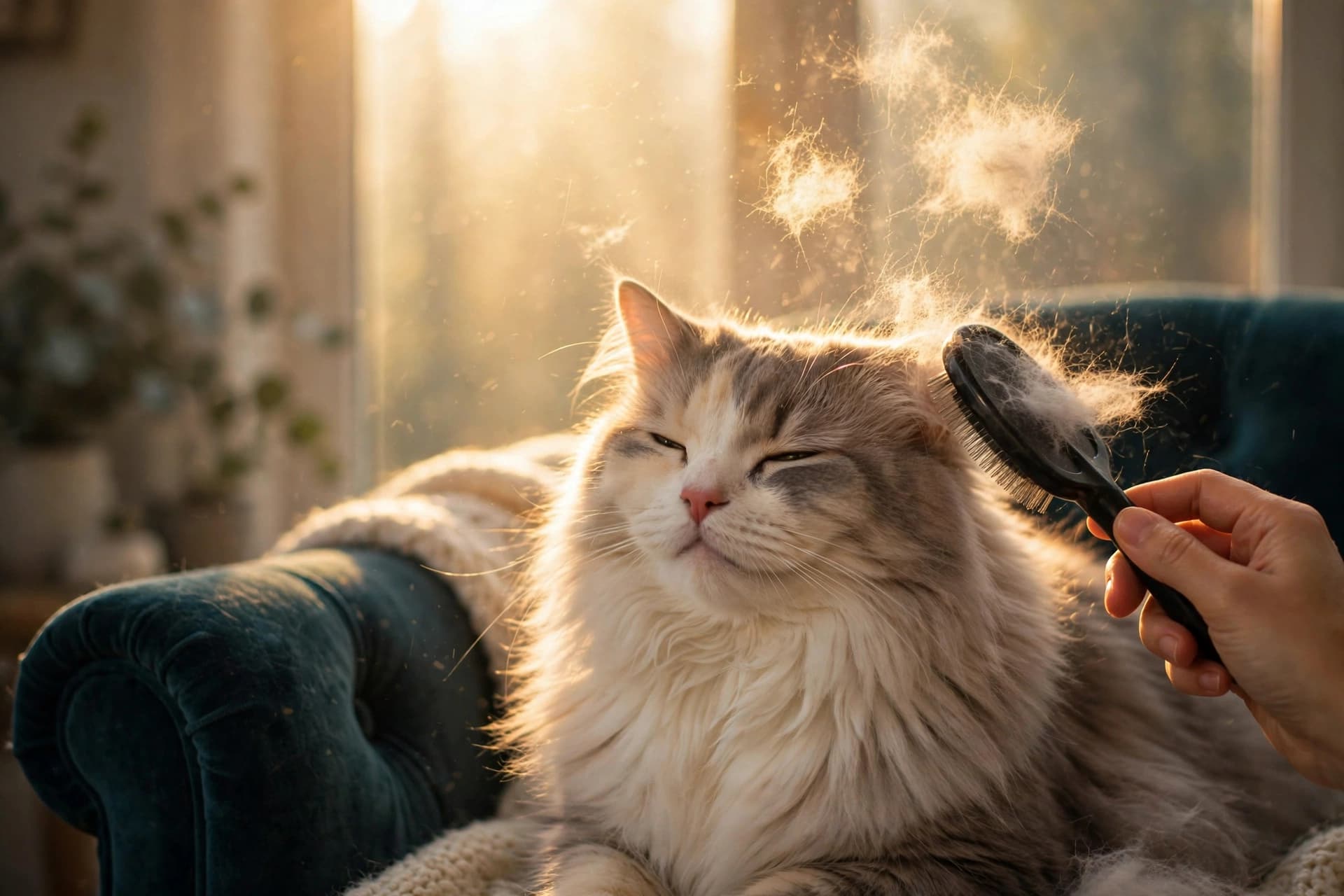
This is one with a dual action design. Miscanthus fiber is a fiber made of grass, it aids in the passage of swallowed fur through the digestive tract as it is excreted in the stool. A postbiotic supporting the skin is designed to support a healthy skin and normal shedding, and this implies that there is less loose fur to be swallowed (Source: Native Pet product pages).
It is still the heavy lifting of brushing that goes on daily. When your cat retches repeatedly, but no hairball comes up, or continues to vomit frequently, visit your vet, as they are some of the indicators of other issues (Source: Cornell Feline Health Center).
Calm: Non-Drowsy Stress Support
Calm pairs hydrolyzed casein, a milk-protein ingredient, with L-tryptophan, a building block of serotonin. Taurine completes the label. According to the brand, after eight weeks of study the two important ingredients were tested in cats and fewer stress-related behaviors and low levels of urinary cortisol were observed (Source: Native Pet product pages).
Two cautions apply. Improvements are a prolonged process, not a few minutes. And the brand cautions that these ingredients can have interactions with other calming or behavioral drugs, and you should consult your vet first.
Everyday routine is beneficial: scheduled meals, hiding places, and play every day. Our behaviour and care guides of cats have more ideas.
Immune: Everyday Defense Support
Immune is a blend of an antioxidant (vitamins C and E and beta-carotene), L-lysine, a probiotic, a postbiotic and taurine (Source: Native Pet product pages). The rationale is that a large portion of immune functions in the body revolve around the gut hence the combination of gut support and antioxidant support.
The brand targets cats that sneeze, have watery eyes, and have flare-ups of the immune system. These signs may be caused by infection or allergies and, therefore, get a diagnosis first. An oral supplement helps a cat to live a healthy life. It doesn't treat an illness.
Native Pet Cat Supplements Petco Launch: Dates, Price, and How to Start
Here's what we know about the rollout (Source: Native Pet press release):
September 30: brand sales are open on their website.
October 19: roll out nationwide at Petco.
The Petco pricing is not released at the time of writing of this article. Each tin is sold separately on the brand-specific site, where prices are listed at 19.99, and there is a discounted price of 16.99 available ( Source: Native Pet product pages). Final price on Check Petco cat health aisle online.
Tin contains approximately 300 chews, a 30-day supply of an average 10-lb cat (Source: Native Pet product pages). That is equivalent to about 0.67 a day of one formula and at 19.99. The five stacked would cost about 100 a month at retail.
How to Start Safely
Make an appointment to have a vet visit, particularly seniors and medicated cats.
Select one formula that coincides with your greatest concern.
Dose 1 chew per pound of body weight/day, increasing slowly during the first week. A cat weighing 10 lbs is chewed 10 times and a 15 lbs cat chewed 15 times ( Source: Native Pet product pages).
Monitor appetite, stools and behavior between four to eight weeks.
Only after the first formula is performing well add a second formula.
The line is geared towards adult cats. Always consult your vet before giving any of it to a kitten. Cat first-time owner? Our new pet owner guides include the fundamentals and our pet gear and product guides compare other cat necessities.
What We Like and What to Watch
What we like:
Small, easy to read labels created with a couple of key ingredients.
A chew in the style of a treat that finicky cats might not reject.
Formulated by Vet, NASC Quality Seal or AAFCO standards before each formula.
What to watch:
The brand itself makes claims of efficacy and taste, as opposed to independent trials.
There are limited reviews. When the article was written, there were 5-14 reviews on the brand website.
The flavor base is chicken and the chew includes pork fat, pea starch and tapioca starch. Cats that are sensitive to food should read the entire label.
The Bottom Line:
The initial feline line by Native Pet provides the owner of cats with five distinct choices, each with an assigned role, and a treat-like chew that fussy cats might literally chew. Nevertheless, the most sensible thing is to just converse with your vet and select the issue that is of the greatest concern and allow it several weeks. Wish you had even more ideas on how to make your home with your cat happier? Next, read about our guide to cat talking buttons.
References:
Native Pet. "Native Pet Launches First Cat Supplement Line, Answering Years of Requests from Cat Parents." PR Newswire, October 2026. (launch dates, NASC seal and AAFCO standards, in-house formulator)
Pets Plus Magazine. "Native Pet Launches First Cat Supplement Line." October 5, 2026. (company founded 2017, more than 13,000 retail locations)
Pet Food Processing. "Native Pet unveils first line of cat supplements." (formulator credentials, Petco launch)
Petco. Cat health and wellness category (retailer listing).
Frequently Asked Questions
Do cats need supplements?
Majority of healthy grown-up cats who consume full and balanced diet do not require supplements. They may assist under certain circumstances, including picky eating, digestive issues, or stress, but that choice should be advised by a vet. Do not use a supplement to treat vomiting, sneezing or diarrhea without an examination first.
Are Native Pet cat supplements at Petco only, or sold elsewhere?
They are also available on the brand itself where sales began September 30. Availability of Nationwide Petco starts October 19. Only those two channels are mentioned in the launch announcements, and therefore, your local store is not mentioned, so either look up the store locator on the brand or call the store before making a special trip.
Can I give the Native Pet cat multivitamin to a kitten?
Not without consulting your vet. The brand develops chewable gum to satisfy adult cats, and advises that a veterinary examination be undertaken before any new supplement is administered to a kitten. Increasing kittens have varying nutritional requirements and thus additional or supplementary vitamins and minerals do not necessarily help.
Is the Native Pet cat probiotic safe to combine with the other formulas?
The brand indicates that the chews can be mixed and recommends that one should start with a smaller portion and increase gradually in the first week. Nevertheless, ask your vet whether your cat has medication. Add one formula at a time to be able to notice the changes in the stools or appetite.
How many chews should my cat get each day?
Take 1 chew per pound of body weight, daily. A 10-lb cat gets 10 chews, and a 15-lb cat gets 15. The brand advises against taking the full amount during the first week when a sensitive stomach has time to adjust.
Can cats on medication take the Calm chews?
Ask your vet first. The brand states that the calming ingredients can have an interaction with other calming or behavioral drugs. Before you begin, a veterinarian can examine your cat in the entirety of their health, including any prescriptions, and inform you whether the chews fit, or not.
Founder & Lead Pet Care WriterPeer-Reviewed & Tested
Written by Valentina Johnson
Valentina Johnson is a lifelong pet lover and writer who shares practical, easy to follow pet care tips for everyday owners. Her advice comes from years of raising her own pets, backed by real research and conversations with vets and trainers along the way. She's not a veterinarian, and always encourages readers to check in with one for anything serious. At the core of it all is one simple belief: every pet deserves a happy, healthy home.
Raw frozen brands keep landing on FDA lists this year, and old bags can linger in your freezer. Learn which products were flagged, how to read your package, and what to do if your dog ate one.