

USAPetSociety Logo
USAPetSocietyHappy Pets, Confident Owners
Category Pillar Guide

Complete Feline Care & Understanding Cat Behavior

Cats are subtle communicators with complex emotional lives. Our cat care pillar brings you practical insights into feline psychology—from decoding tail swishes and slow blinks to setting up an enriching indoor environment that prevents boredom, scratching, and litter box aversion.

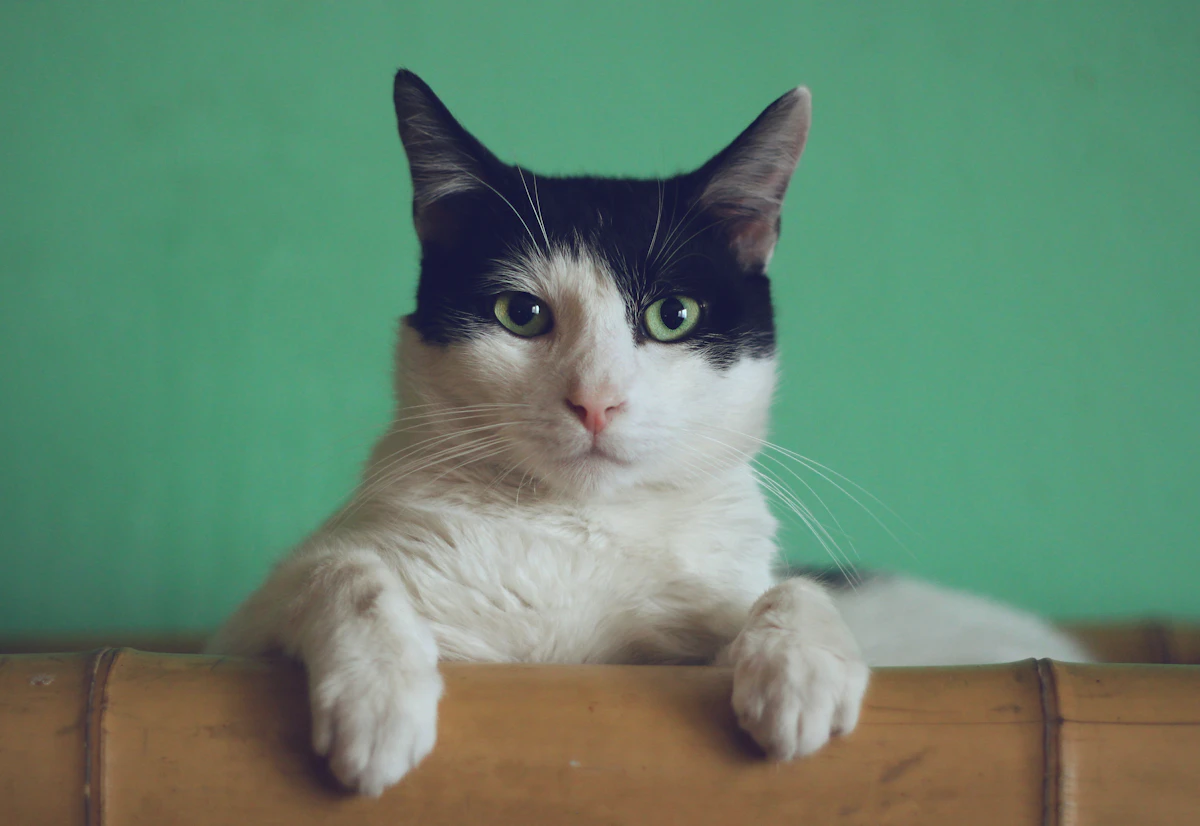
Calm domestic cat resting comfortably indoors

Key Takeaways & Core Rules

  • Cats communicate primarily through micro-signals in their tail, ears, and whisker position.
  • Vertical territory (cat trees, wall shelves) provides security and confidence.
  • Litter box cleanliness and placement make or break feline bathroom habits.
  • Daily interactive play mimicking prey hunting satisfies natural predatory instincts.

Core Topic Clusters in Cat Care & Behavior

Communication

Feline Body Language & Vocalizations

Understand purrs, chirps, slow blinks, and dilated pupils.

Enrichment

Scratching & Environmental Enrichment

Direct natural scratching instincts away from sofas and onto appealing scratching posts.

Hygiene

Litter Box Mastery & Hygiene

Box sizing, litter types, and the essential N+1 rule for multi-cat homes.

Multi-Cat Homes

Multi-Cat Introductions

Scent swapping and slow visual introductions to prevent territorial fights.

Articles in Cat Care & Behavior

2 Articles
October 4, 2026•10 min

National Black Cat Day: Why Black Cats Wait Longest

Black cats get overlooked in shelters every year, thanks to old folklore and dark fur that's hard to photograph. Here's what the research really says, which myths to ignore, and a step-by-step plan for bringing one home this October.

By Valentina JohnsonRead
Frequently Asked Questions About Cat Care & Behavior

Why do cats slow-blink at their humans?
A slow blink is the feline equivalent of a trusting smile or kiss. It signifies that your cat feels safe and relaxed in your presence. Blinking slowly back tells them you feel the same way.
How many litter boxes do I need for two cats?
The golden veterinary rule is one box per cat plus one extra (N+1). For two cats, maintain three separate litter boxes placed in distinct locations around your home.
Do indoor cats really need playtime?
Yes! Indoor cats need 15-20 minutes of structured wand play daily to expel pent-up energy, prevent obesity, and eliminate destructive nighttime zoomies.