7 Questions to Ask Before Adopting a Dog From a Shelter
Valentina Johnson
Founder & Lead Pet Care Writer
Hands-On Tested Advice
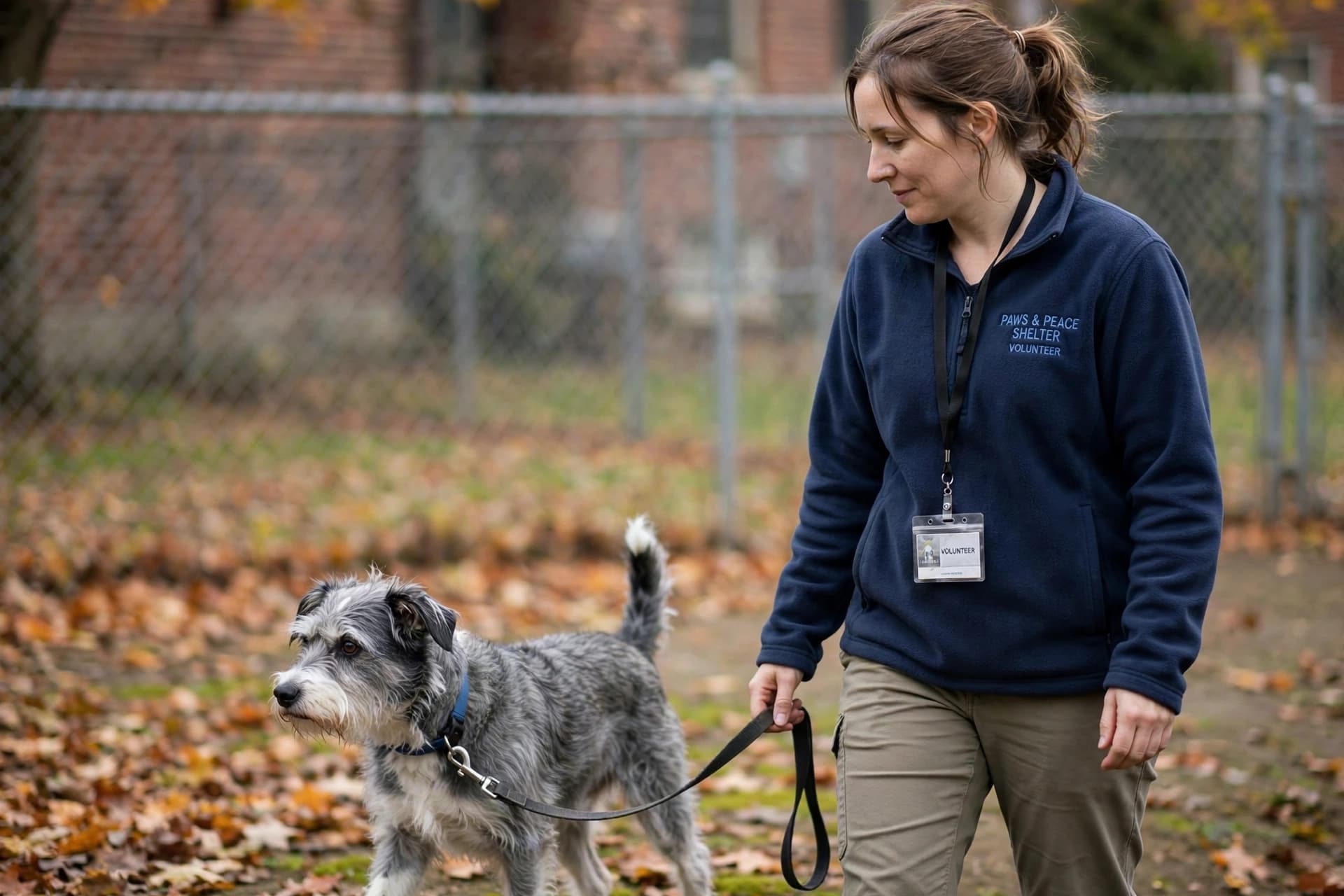
You are strolling along the lines of kennels in your local shelter on a crisp Saturday in October. Some nondescript face is thrust upon the gate, a tail sets to work, and your heart is signing the documents before your head. That is when a plan is the most important. To know what the staff know about each dog, use the seven questions below, therefore you would be bringing home the dog you are really ready.
Quick answer: Before adopting a shelter pet, inquire of the staff regarding its history, behavior and biting history, how it responds to kids and other pets, its medical history, its age and probable size as an adult, its daily requirements, and its adoption terms. Request the written file of the dog, since paperwork is more accurate than a brief summary.
What to Know Before Adopting a Dog From a Shelter
Adopting a second chance to a shelter dog is a wonderful step, and the necessity is actual. In 2024, an estimated 5.8 million dogs and cats had been taken to American shelters and rescues, and it now takes dogs, particularly large dogs, more time to find a home than it did five years ago. The figures are expressed in thousands.
Nonetheless, the match, rather than the rescue, is the way to a happy ending. Shelters are a very noisy, stressful place, and the staff might have gotten to know a dog within a few days. You and the dog are safe only by asking certain questions.
These are the basics to work out before you go:
Budget: Adoption fees typically range between approximately 50 and 400 and this is not inclusive of food, supplies, veterinary visits, and training. In the United States, the average cost of shelter fees is 6.21 (Source: published U.S. shelter fee schedules).
Housing: Make sure your lease, HOA policies and insurance policy allow pets, breed or weight restrictions. One of the obstacles that make families not adopt is the lack of housing friendly to pets. (Source: ASPCA)
Schedule: Be truthful with regards to the number of hours per day the dog would be left alone.
Household: You must get the consent of everyone you live with, and see the dog first.
Go more than once, and at various hours of the day. The same dog might appear frantic at noon, but relaxed at 8 a.m. Carry a notebook, and use this cheat sheet to help you lead the discussion with the staff:
Topic
A strong answer sounds like
Red flag 3
History and background
Clear intake story, length of stay, and any owner notes
Vague or shifting story, no records
Behavior and bite record
Written evaluation plus plain talk about quirks
“He’s perfect” with nothing to back it up
Children and other animals
Documented meetings and what actually happened
No testing, just a promise it’ll be fine
Health records and shots
Written spay/neuter, vaccine dates, heartworm test, microchip
“Your vet can sort that out”
Age and breed mix
Explains how age was estimated; breed called a best guess
Firm breed claims with no basisFirm breed claims with no basis
Daily needs
Realistic notes on exercise, training, and alone time
“Easy dog” with no details
Adoption terms
Written fees, contract, trial option, return window, aftercare
Pressure to decide today; terms not in writing
What to Ask When Adopting a Dog From a Shelter: Background and Behavior
Begin with the story and character of the dog. Everything that comes is influenced by these first two answers.
Question 1: Where did this dog come from, and why is it here?
Strays have no background and owner surrenders can have notes of habits, health and why the dog is surrendered. Inquire about what one is more appropriate, the length of time the dog has been in the building, and whether it has been in a foster home. Other states also transfer some of the dogs, and restrictions on transport of shelter dogs may influence the manner and time of arrival, hence enquire about the place where the dog was previously.
Listen for specifics. The owner changed his apartment where pets are not allowed is a simple, helpful solution. A stray can get away with saying no idea, provided staff is able to describe what they have seen since being admitted. A protracted residence does not imply that a dog is bad. Big, shyness and old dogs are usually just ignored.
Question 2: What is the dog’s temperament, and is there any bite or aggression history?
Request to see the behavior notes or evaluation, then inquire into the specifics that matter in a real home:
Stimuli of fear, including men, hats, high-noise, or other leash dogs.
Protecting food, toys, or chews.
Leash manners and energy level
Response to being handled in terms of paws, ears and collar.
A history of snapping, biting or distress at being alone.
When a bite is documented, inquire of the victim what happened, who did it, and the severity of the bite. Context is a thing and plain honest staff would tell it.
Remember that the behavior of a kennel is not the entire picture. Stress will turn a previously sleepy dog into a feral creature or a concerned dog into a zombie. Request a quiet-room visit or a walk so that you can view the dog outside the noise.
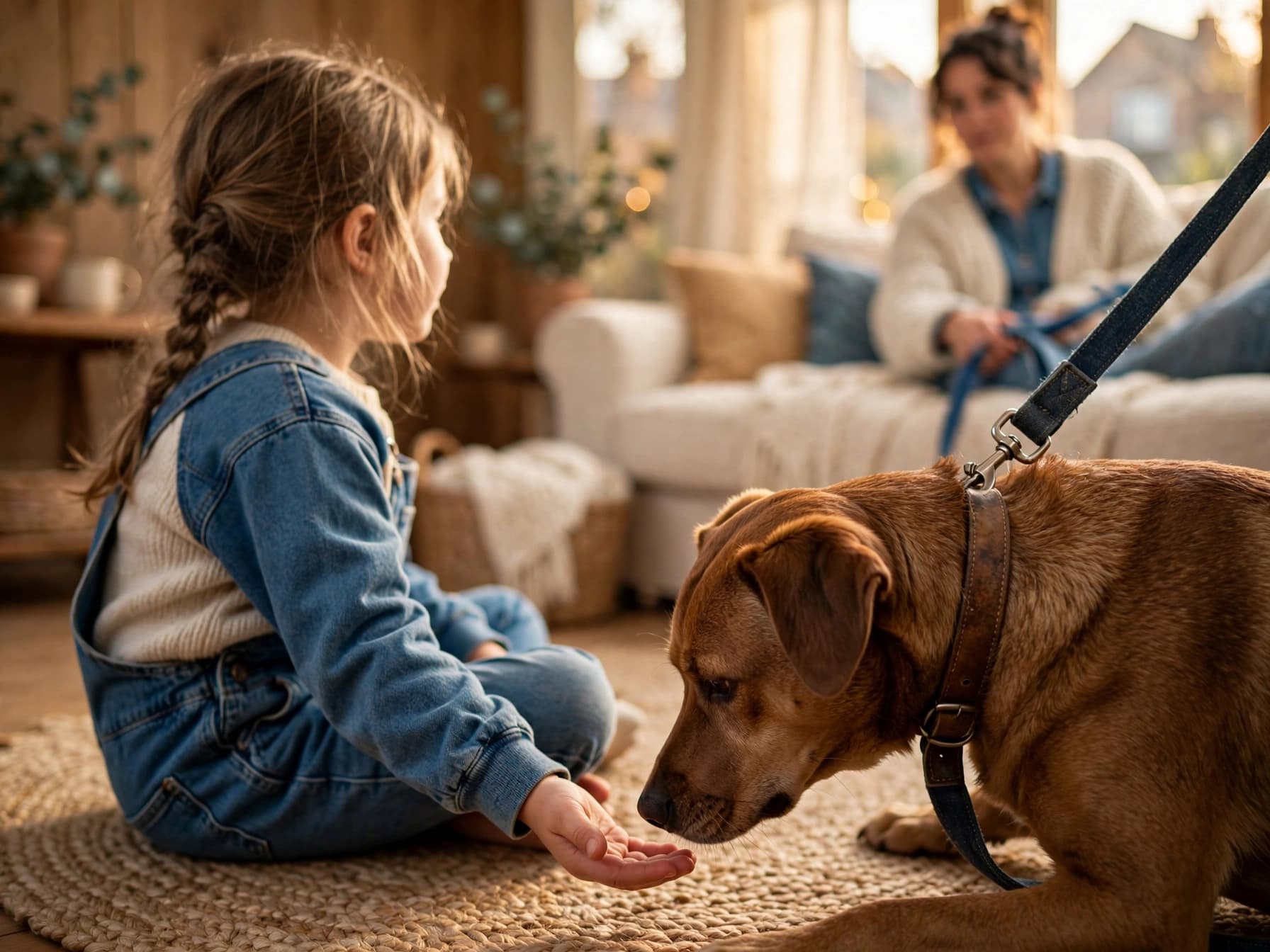
Question 3: Is the Dog Good With Kids and Other Pets?
A dog, which is friendly with adults, can be quite different with a toddler or a cat. Enquire about what has been observed, not what they think, by staff.
Children
Ask about the ages that the dog has lived with kids and how the dog responds to sudden movement, squealing, grabbing, and hugs. There is no kid-proof dog. The highest rates of dog-bite injury are observed in children age 5-9, and infants and small children should never be left alone with a dog. Before your family meets the dog, review that guidance ( Source: CDC and AVMA dog bite prevention guidance ).
Other dogs
Question about the dog having seen other dogs and the context. In case you already have a dog, ask to have a meeting on neutral grounds, but not in your yard, with a leash. Good signs are loose and wiggly bodies and play bows. Hard stare, stiff posture, and raised hackles are not. Most shelters will allow your existing dog to participate in the visit, ask.
Cats and small animals
Inquire whether the staff has tried the dog with cats and the response. Pursuing, obsession, and pouncing are areas of concern. A shelter test is a convenient hint, but not a promise, and schedule gradual introductions at home. Dogs that have a high chase drive are typically not safe in the presence of rabbits, guinea pigs, or other small animals.
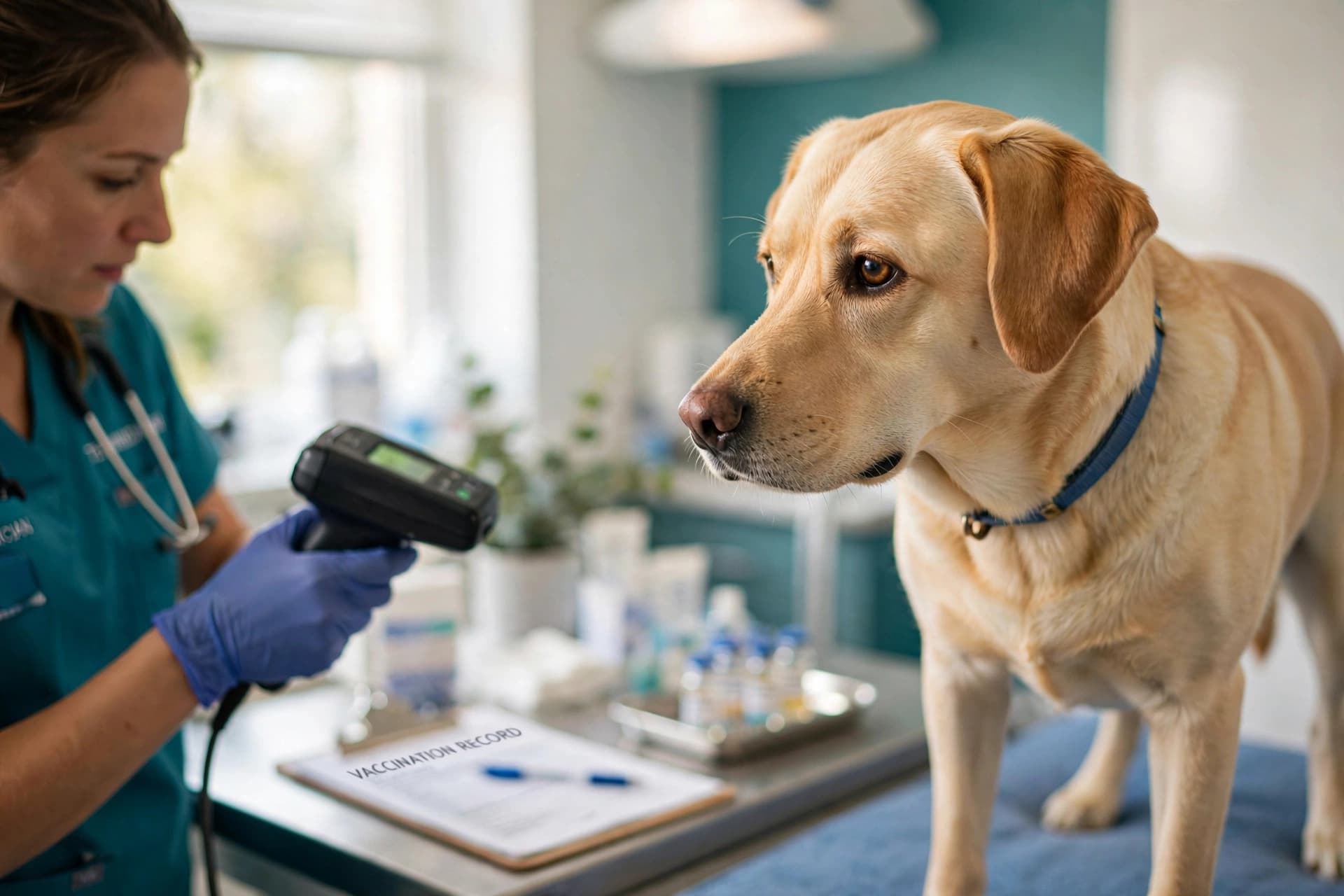
Question 4: What Medical Care and Vaccinations Has the Dog Received?
Request the medical file of the dog to be put in writing as oral summaries easily get lost. This is what to watch out in it:
Neuter or spay: This is done in most shelters prior to adoption. Assuming the dog is not fixed yet, who does it, when it should be done and is it included in the fee.
Vaccines: Question about the type of vaccines that were administered, when, and the next time they should be administered. The most common vaccines include rabies, parvovirus, distemper, and adenovirus and puppies require a few boosters to develop adequate protection. The benefits of vaccinating a dog greatly surpass the risks when the vaccination history of the dog is unknown. (Source: AAHA’s canine vaccination guidelines)
Care of parasites: Inquire about the heartworm test (heartworm is transmitted by mosquitoes), flea and tick treatment and deworming.
Known conditions: Question about continuing medications, dental issues, skin problems, and previous injuries. Also inquire about any coughing in the kennel of the dog in the recent days as respiratory illness spreads easily in group housing.
Microchip: Confirm that the dog is chipped, and that the registration will be handed over to you. In a survey of over 7700 stray animals in shelters, nearly half of the microchipped dogs were returned to their owners as opposed to roughly 22 percent of the non-chipped dogs. (Source: AVMA, citing a 2009 JAVMA study) A chip is only effective after registration and the Universal Pet Microchip Lookup tool can indicate the registry your dog is registered with.
Carry duplicates of the records to your vet in the first week. Our pet health and wellness books are on what to expect during that visit. New dogs also tend to run away in new environments and hence our AirTag vs Fi collar comparison in case you are considering a GPS collar.
How to Judge a Dog’s Age, Breed Mix, and Daily Needs
Question 5: How old is the dog, and what’s the breed mix?
Inquire about the method of determining the age of the dog, like a vet check or teeth or records of an owner. The estimates are informed guesses and yet the age influences the energy, training, and future vet bills.
Even less credence should be given to breed labels. Comparisons between visual breed identifications and DNA findings have revealed that visual identification of breed is in most cases erroneous among shelter staff. (Peer-reviewed research on shelters) Inquire on the label, and evaluate the dog in terms of behavior and size. Also examine whether your landlord or insurer has breed or weight limits which they enforced, as these are usually referred to as the name on the kennel card.
Question 6: What will this dog need day to day?
Enquire concerning the actual routine: how much exercise the dog requires, what actions it already understands, whether it is house-trained or crate-trained, and its time management. Inquire what it is eating and ask it to give a small amount, as a dog cannot change foods too quickly because this may upset its stomach.
Question 7: What Is the Shelter Adoption Process and Return Policy?
Better learn the rules before you fall too much in love. Ask about:
Application procedures: Does it have an interview, a home or landlord check, or a waiting time?
Fees: What is the fee, and are there any additional fees to license or receive follow-up care?
The contract: Does it mean that you would have to take the dog to the shelter and not rehome it yourself?
Trial: Does the shelter have a foster-to-adopt trial to give you a test at home?
In case of failure: How many days are you to bring the dog back, and is any of the fee refunded?
Aftercare: Does it have a behavior helpline, trainings discount, or a partnership with a vet?
Have all answers written down. By providing a shelter with a potential reunion in mind, the long-term well-being of the dog is given priority. To get additional assistance, check our adoption and pet travel guides.
The Bottom Lines:
The right shelter dog is not the cute one in the row; it is the one that has a history, health and temper that suits your life that you really live. Carry this list, request the answers in writing, and have your time. Willing to go beyond adoption day? Our guide to the true cost of a dog in its first year will help you prepare your budget before your new pet even sets foot in the door.
References:
ASPCA, U.S. Animal Shelter Statistics, based on Shelter Animals Count data. Covers shelter intake in 2024, longer stays for large dogs, and housing as a barrier to adoption.
American Animal Hospital Association (AAHA), Canine Vaccination Guidelines. Covers core vs. non-core vaccines, puppy booster series, and unknown vaccine history.
American Veterinary Medical Association (AVMA), microchipping resources, citing Lord et al., Journal of the American Veterinary Medical Association, 2009. Covers return-to-owner rates for microchipped vs. unchipped dogs. Also AAHA’s Universal Pet Microchip Lookup.
Centers for Disease Control and Prevention (CDC) and AVMA, dog bite prevention guidance. Covers bite rates among children ages 5 to 9 and supervising young children around dogs.
Journal of Applied Animal Welfare Science, peer-reviewed research comparing shelter visual breed identification with DNA results. Confirm the exact article you want to cite before publishing.
Published adoption fee schedules from U.S. animal shelters and humane societies. Fee range is general, so check a few local shelters to tighten the $50–$400 figure for your readers.
Frequently Asked Questions
What are the best questions to ask before adopting a dog from a shelter?
Pay attention to seven points: the dog history, the behavior and bite history, the compatibility with children and other pets, the health history, the age and breed mix, the daily needs and the terms of adoption. Request employees to provide you with written documents and notes, as certain documents will tell you much more than mere assurance.
What to ask when adopting a dog from a shelter if I already have a cat?
Inquire as to whether the staff have tried the dog with cats and how the dog responded to movement, chasing or fixation. Shelter test is merely a snapshot so prepare gradual introductions at home using baby gates, separate room and high perch where your cat can escape.
What to know before adopting a dog from a shelter if you rent?
Confirm any pet deposit, monthly pet rent and breed or weight restrictions with your landlord and ensure that you get this in writing prior to your application. During the screening of rental housing, many shelters do screen the rental housing thus leaving your chances behind before you bring home a dog.
How much does it cost to adopt a dog from a shelter?
The adoption costs usually range between 50-400 dollars, depending on the organization, the age of the dog and what is included. The charge usually includes spay or neuter surgery, vaccines, and a microchip, and would cost much more at a private veterinarian, so plan to allocate a separate budget to food, supplies, and training. (Source: U.S. shelter fee schedules)
Can you return a shelter dog if it doesn’t work out?
Most of the shelters put dogs back, though the conditions differ, and you should make certain of the time limit, any charges, and refund, before signing. Request a foster-to-adopt trial, whereby you can test the compatibility at home and then formalize it.
How long does it take a shelter dog to settle into a new home?
The amount of time it takes many dogs to settle in is approximately three months, although some dogs settle sooner and others later. This is often referred to as 3-3-3: taking about three days to decompress, three weeks to learn routines and three months to feel secure.
Founder & Lead Pet Care WriterPeer-Reviewed & Tested
Written by Valentina Johnson
Valentina Johnson is a lifelong pet lover and writer who shares practical, easy to follow pet care tips for everyday owners. Her advice comes from years of raising her own pets, backed by real research and conversations with vets and trainers along the way. She's not a veterinarian, and always encourages readers to check in with one for anything serious. At the core of it all is one simple belief: every pet deserves a happy, healthy home.
Bringing home a dog is a joyful day, but the first year comes with a price tag. See a size-by-size budget, adopt-vs-buy savings, insurance costs, and the hidden bills most new owners miss, so you can plan with confidence.