

USAPetSociety Logo
USAPetSocietyHappy Pets, Confident Owners
Category Pillar Guide

The Ultimate Guide to Dog Care & Positive Training

Raising a confident, polite dog is one of life’s greatest joys. This comprehensive pillar guide covers every phase of canine development—from crate training a wide-eyed eight-week-old puppy to refining leash manners and addressing common behavior quirks using compassionate, reward-based methods.

Two happy dogs playing outdoors in an American park

Key Takeaways & Core Rules

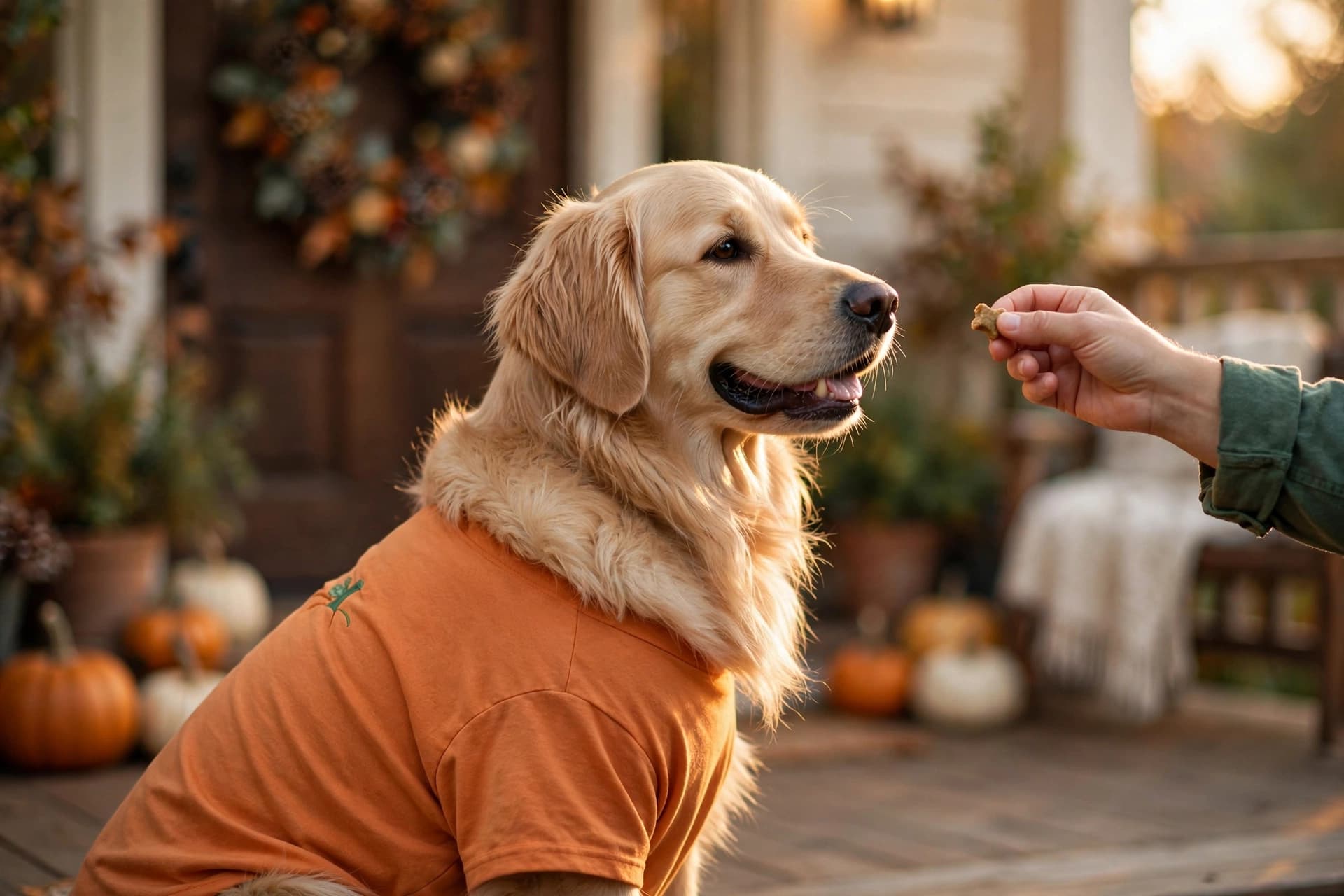
  • Reward the behaviors you want rather than punishing what you do not want.
  • Consistency between all household members is the golden rule of canine obedience.
  • Mental exercise like puzzle toys and scent walks tires a dog faster than physical running alone.
  • Early positive socialization before 16 weeks shapes lifetime confidence.

Core Topic Clusters in Dog Care & Training

Puppy Care

Puppy Foundation & Crate Training

Establish safe sleeping zones, master crate routines, and prevent separation distress early.

Walks & Manners

Loose-Leash Walking Essentials

Eliminate pulling, arm strain, and reactive barking on neighborhood walks.

Obedience

Core Obedience Commands

Teaching bulletproof recall, sit-stay patience, and a calm place command.

Behavior

Canine Body Language & Socialization

Read stress signals, tail wags, and play bows to protect your dog in social settings.

Articles in Dog Care & Training

3 Articles
September 30, 2026•9 min

How to Train a Chihuahua: Manners Lessons That Work

Chihuahuas are now America's most popular dog, and they're smarter than their reputation. Discover simple, reward-based lessons for potty habits, barking, nipping, and leash walking, so your tiny pup becomes a polite, confident companion at home and on the sidewalk.

By Valentina JohnsonRead

Frequently Asked Questions About Dog Care & Training

How long does it typically take to house-train a puppy?
Most puppies take between 4 to 6 months of steady routine to become fully reliable indoors, though smaller breeds with tiny bladders may take slightly longer. Consistency and frequent outdoor potty breaks are key.
What is positive reinforcement training?
Positive reinforcement means marking and rewarding desired behaviors (with high-value treats, praise, or play) so your dog actively chooses to repeat them, without relying on physical force or intimidation.
How much exercise does an average dog need daily?
Most adult dogs require 30 to 60 minutes of physical activity daily, paired with interactive sniff time and brain games tailored to their breed, age, and energy level.