
USAPetSociety Logo
USAPetSocietyHappy Pets, Confident Owners
Category Pillar Guide

Everyday Pet Health, Preventative Care & Wellness

Preventative care is the cornerstone of a long, happy life for dogs and cats. From core vaccine timelines and parasite prevention to detecting early red flags of pain or illness, this wellness hub equips pet parents to advocate effectively for their animals.

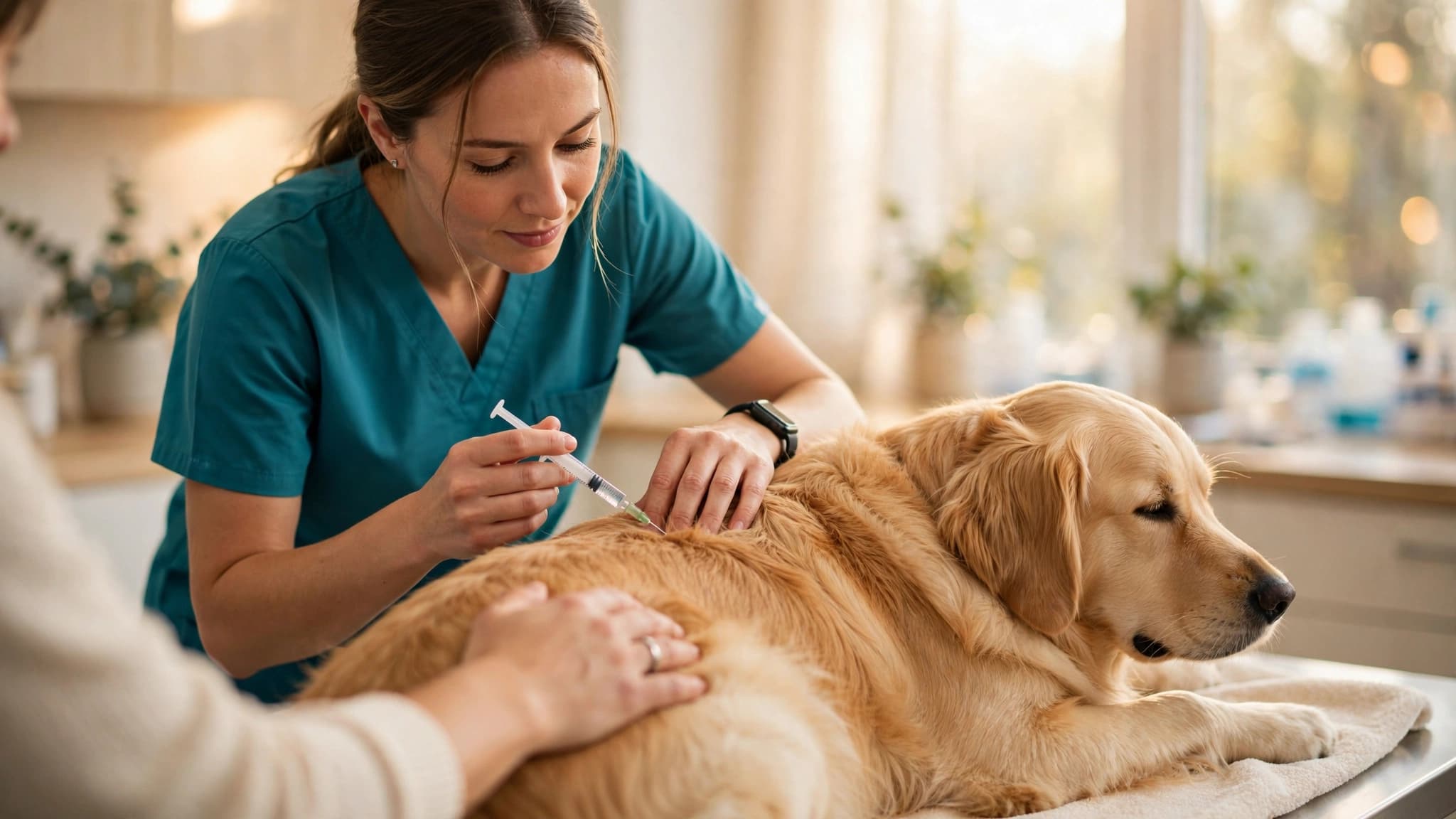
Compassionate veterinarian checking a calm golden retriever

Key Takeaways & Core Rules

  • Annual or bi-annual veterinary wellness exams catch dental disease and kidney shifts before symptoms appear.
  • Year-round flea, tick, and heartworm prevention is vital across almost all US states.
  • Subtle behavioral changes—like hiding, skipping a meal, or restless pacing—often signal underlying discomfort.
  • Maintain an updated pet first-aid kit and emergency clinic phone numbers on your refrigerator.

Core Topic Clusters in Pet Health & Wellness

Preventative

Routine Vaccinations & Parasite Prevention

Core vs. non-core vaccines, heartworm testing, and flea & tick defense.

Symptoms

Recognizing Early Symptoms of Illness

Subtle signs of dehydration, fever, arthritis pain, and internal distress.

Senior Pets

Senior Pet Care & Comfort

Managing mobility, cognitive changes, and tailored nutrition for aging pets.

Emergency

Pet First Aid & Emergency Preparedness

What to keep in your home kit and what steps to take before reaching the ER clinic.

Articles in Pet Health & Wellness

2 Articles

Frequently Asked Questions About Pet Health & Wellness

How do I know if my pet is in pain?
Animals instinctually hide weakness. Look for subtle shifts: reduced grooming, sudden aggression when touched, reluctance to jump or climb stairs, rapid shallow breathing, or persistent whining/purring under distress.
Do indoor pets really need flea and heartworm prevention?
Yes! Mosquitoes (which transmit heartworms) and fleas easily enter homes on shoes, clothing, or through open doors and windows.
When is a pet issue considered a true medical emergency?
Pale or blue gums, difficulty breathing, suspected poisoning, collapse, bloat symptoms, inability to urinate (especially male cats), or seizures require immediate emergency veterinary intervention.