National Black Cat Day: Why Black Cats Wait Longest
Valentina Johnson
Founder & Lead Pet Care Writer
Hands-On Tested Advice
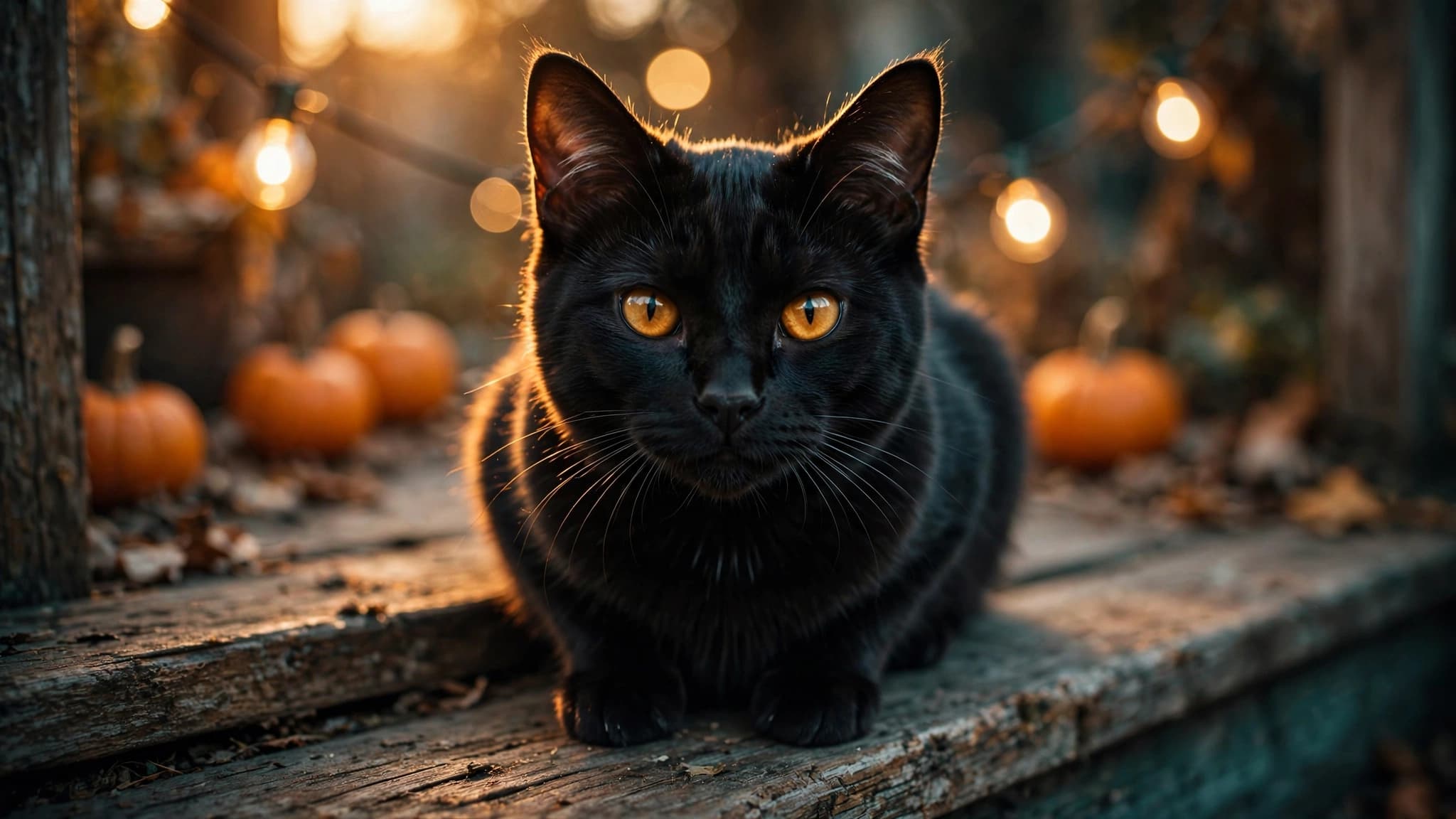
In October, all over America black cats can be found: on front porches, on candy packs, on Halloween shelves of drugstores. However, the actual ones are kept in shelter kennels as visitors pass on to the tabby in the adjoining cage. No one dislikes them, it is not that. It is an ancient fame which never wholly died away. This guide is the reason why dark-colored cats are ignored, the truth behind the myth and folklore, and how to bring one home just in time.
Quick Answer: Black cats tend to take longer to be adopted at shelters due to the old folklore, dark fur which is difficult to capture images with and the manner in which black coats merge in mass cat rooms. The gap is actual in certain shelters and nonexistent or minor in others, and can be easily corrected. Do not judge the color of the coat, be introduced to a couple of cats in real life, and inquire the staff about the personality of each cat. The first day is October 27, a great place to begin.
What Is National Black Cat Day and Why Does It Matter?
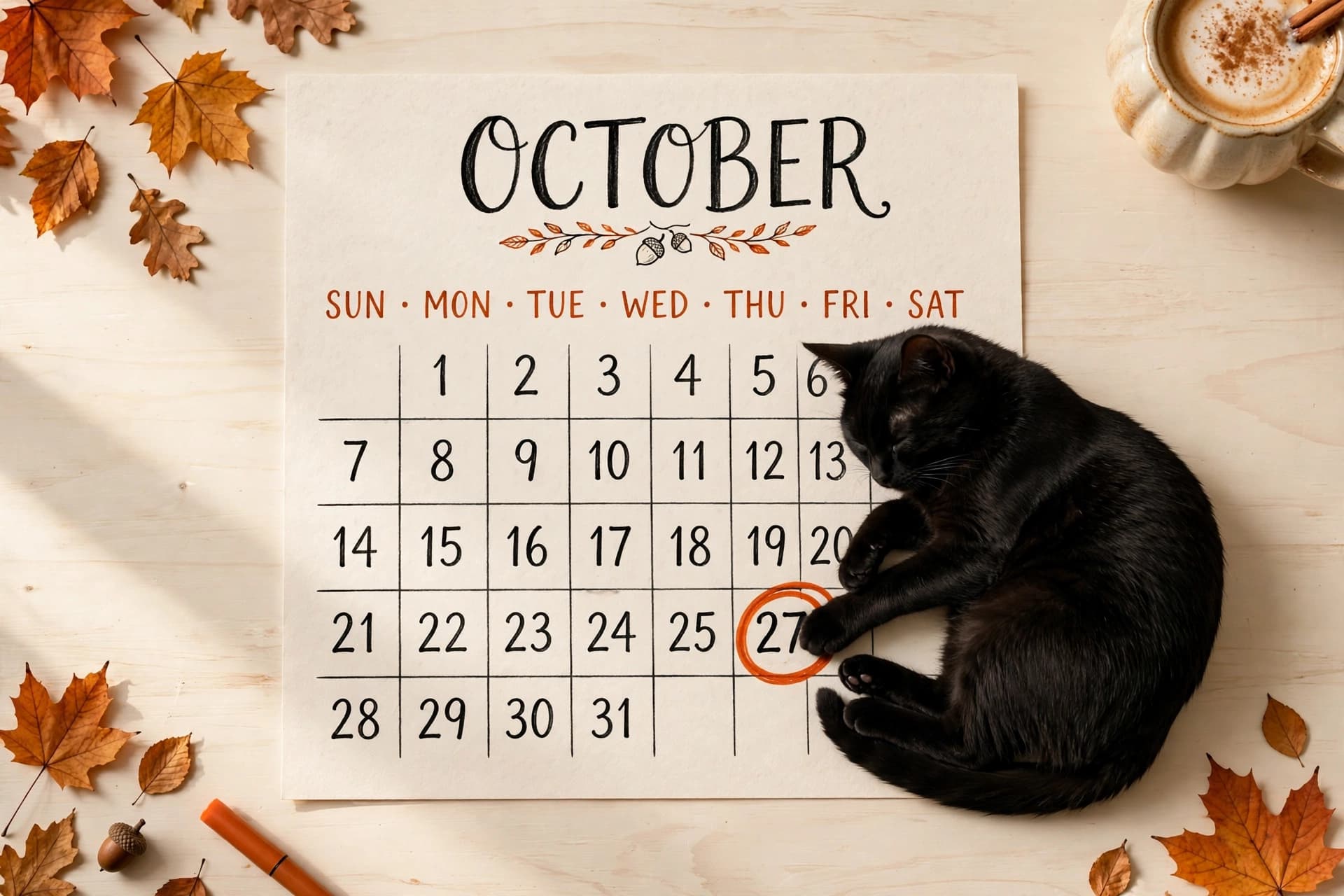
The October 27 observance started in the United Kingdom. It was introduced in 2011 by the charity Cats Protection because it noticed that its black and black-and-white cats were taking an average of a week longer to be adopted in comparison with other color cats (Source: Cats Protection). The idea caught on. Shelters and cat lovers all around the U.S. now celebrate the date as well.
Why is it important to Americans? Approximately 3 million cats find their way into U.S. shelters annually (Source: ASPCA). Each additional day that a cat is waiting to be adopted in a shelter is one less open kennel to the next animal requiring shelter.
In this year, October 27 is on a Tuesday. That gives ample time to organize a weekend shelter visit, post a shelter list of cats, or just get the facts. The day is there because of the reason that is to make people take a second look at cats that they may otherwise ignore.
Why Are Black Cats Less Likely to Be Adopted?
Scientists and workers in shelters indicate some common causes. They all have nothing to do with the actual behaviour of the cats.
Folklore Still Shapes First Impressions
Dark cats have been attached to stories of witches, bad omens, and spooky holidays, over centuries. The majority of adopters affirm that they do not believe any of it. Nevertheless, past associations have a way of discreetly tapping into a first impression, particularly during October when decorations abound.
Dark Fur Is Hard to Photograph
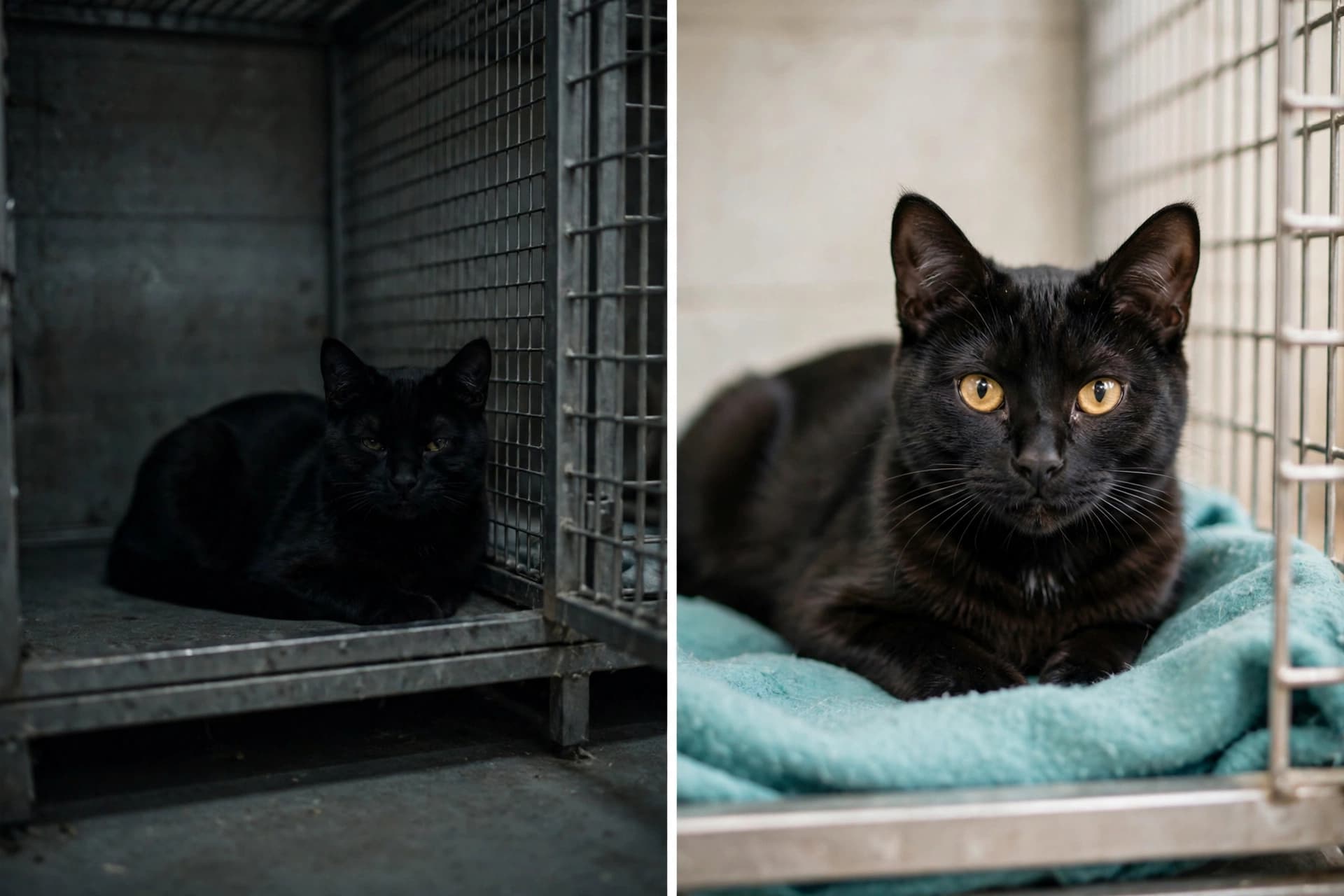
A large number of individuals read shelter listings online, prior to visiting. A black cat will appear in an overcast smear in a photograph, without any eyes or face visible. A cat with a bright and clear face shot is just an easy target.
Dark Coats Blend Together
A tabby with flamboyant stripes stands out against a crowd of cats in a crowded cat room. Neither may a black cat sleeping in a shady spot. According to shelter staff, this blending-in effect causes dark cats to be easily ignored by even open-minded visitors.
The colour of the fur will tell you nothing faithful about how a cat will conduct him or herself at home. The personality reveals itself when you encounter the cat and some quiet moments with each one is more significant than the coat. In case you are a first-time pet owner, our new pet owner takes you through the questions to ask before you commit.
What Is Black Cat Syndrome? Here's What the Research Shows
This term is applied by people to the concept that cats with dark coats are less frequently adopted and remain longer in shelters. The truthful response is that research is divided, and findings are based on the location and time when they were conducted.
Colorado: Two shelters were studied where black cats were not adopted as fast as other cats of other colors (Source: Open Veterinary Science Journal, Kogan et al., 2013).
New York: In one no-kill shelter, the older cats of lighter colors over the age of three months were adopted at a faster rate than darker ones, but kittens exhibited no difference in color (Source: Journal of Applied Animal Welfare Science, Brown and Morgan, 2015).
Kentucky: In one city shelter, with almost 8,000 cats, the lowest adoption rate was found in black cats (10.0%), with 18.8% in white cats. The head researcher explained the general trend as weak (Source: Animals journal).
Ontario and Australia: A Canadian shelter study did not find any great disadvantage to black cats. One study in Sydney reported a longer stay of white cats than black cats (Source: published shelter studies, summarized in Animals journal).
The balanced overview is that a minor drawback is evident in most of the shelters but not all. It is good news, since a bit more consideration on the part of adopters will bridge the gap.
Black Cat Superstition and Bad Luck Myths: Fact vs. Fiction
Dark cats haven't always had a bad name. Ancient Egyptians worshipped cats as holy and Romans associated black cats with the goddess Diana (Source: historical accounts). In 13 th century Europe, black cats were associated with the devil through a papal document and the witch-cat association remained centuries ( Source: History.com).
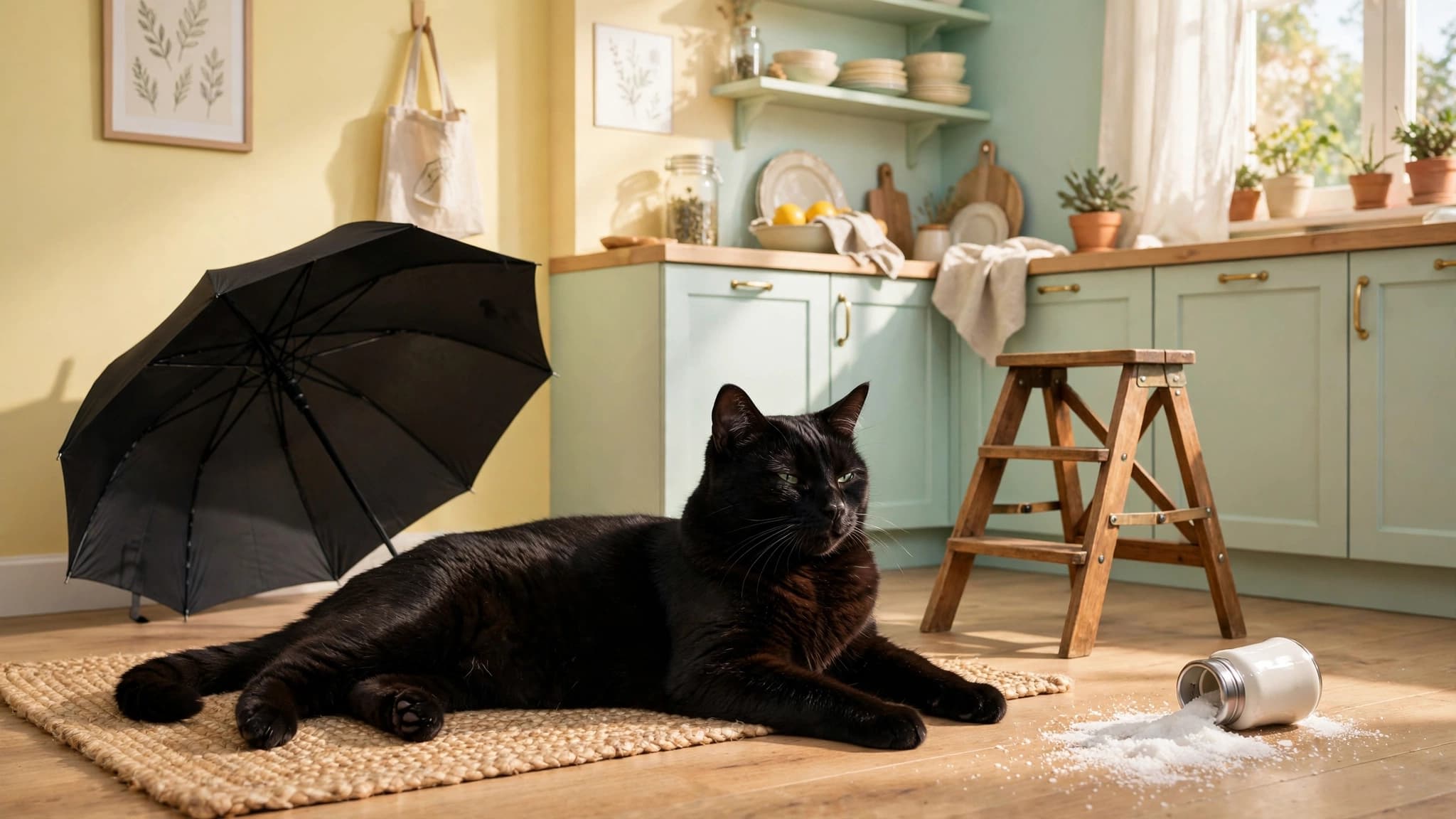
Notions are also different depending on the country. There are some areas of Britain where seeing a black cat at your door is a good omen (Source: Cats Protection campaign materials). The prevalent opinions vs. the actuality are as follows:
Myth
Reality
A black cat crossing your path brings bad luck.
That's folklore. Some cultures treat black cats as lucky.
Black cats are sneaky or aloof.
Personality varies cat by cat, not by coat color.
All black cats look the same.
Eye color, coat texture, and body type differ widely.
Black cats are a special breed.
Black is a coat color found in many breeds and in mixed-breed shorthairs.
Black cats are riskier to adopt.
Health and behavior depend on age, history, and care, not fur color.
The coat of a cat is not a character, but a color.
Black Cat Bias in Shelters: How Shelters Are Fighting Back
A lot of shelters currently strive to close the gap practically:
Making more recent, closer shots to show faces and eyes.
Composing entertaining, personalized bios, emphasizing the personalities of each cat.
Conducting fee-cutting adoption events in early October, around 27 and Halloween.
Taking pictures of cats on a light background or a colored blanket.
Other shelters also pause or limit the adoption of black cats during the month of October and fear that they might be harmed during Halloween. This is an aspect that is viewed as protection by the supporters. Scientists indicate that it may turn against you. One Kentucky study found that black cats did not receive an adoption boost in October and these limits can result into fewer adoptions in general (Source: AAHA).
Regardless of the policy, good shelters screen all adopters throughout the year. Apply in October, and you may have a little more paperwork, and no big deal. It merely implies that the employees are concerned with the fate that each cat goes through.
How to Adopt a Cat From a Shelter: A Step-by-Step Plan
The process of adoption is not as difficult as first time parents anticipate. The following is the first visit to first week at home.
Ensure that the timing and budget are appropriate. A cat is a long term investment, consider your lease, allergies, work schedule and other pets. In case you already have a pet at home, our cat care and behavior guides provide you with preparation to make introductions.
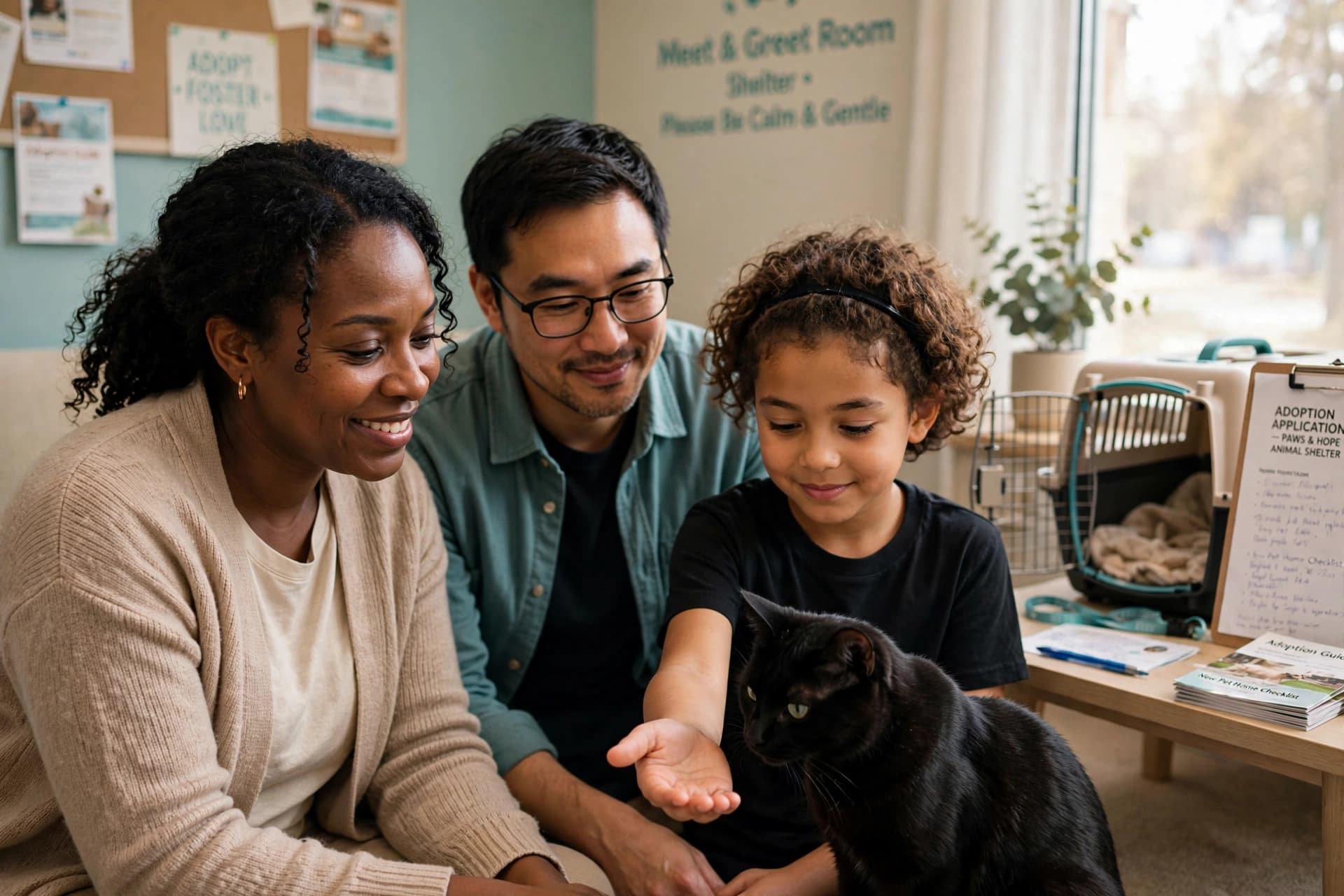
Meet several cats. Go to visit, preferably as a house, and take a few minutes with each cat. Be led by personality, not color. Two may be a good idea, as a couple can keep each other safe (Source: American Humane).
Ask what's included. Most shelters will spay / neuter, vaccinate and microchip cats prior to adoption (Source: American Humane). Ask for medical records and about the return policy.
Complete the application. Anticipate questions regarding housing, any other pets, and history of the vet. A shelter cat is usually a bargain since he has already obtained basic medical care (Source: American Humane).
Collect before the hen comes home. You will have to have a litter box and litter, food and water bowls, a scratching post, a bed, a carrier, and toys (Source: American Humane). You can use our pet gear and product guides to make a choice. Store loose cords and strings and ensure that window screens are not loose.
Book a vet visit. Arrange an examination during the initial days and carry in the records of the shelter. Routine health and wellness is discussed in our pet health section.
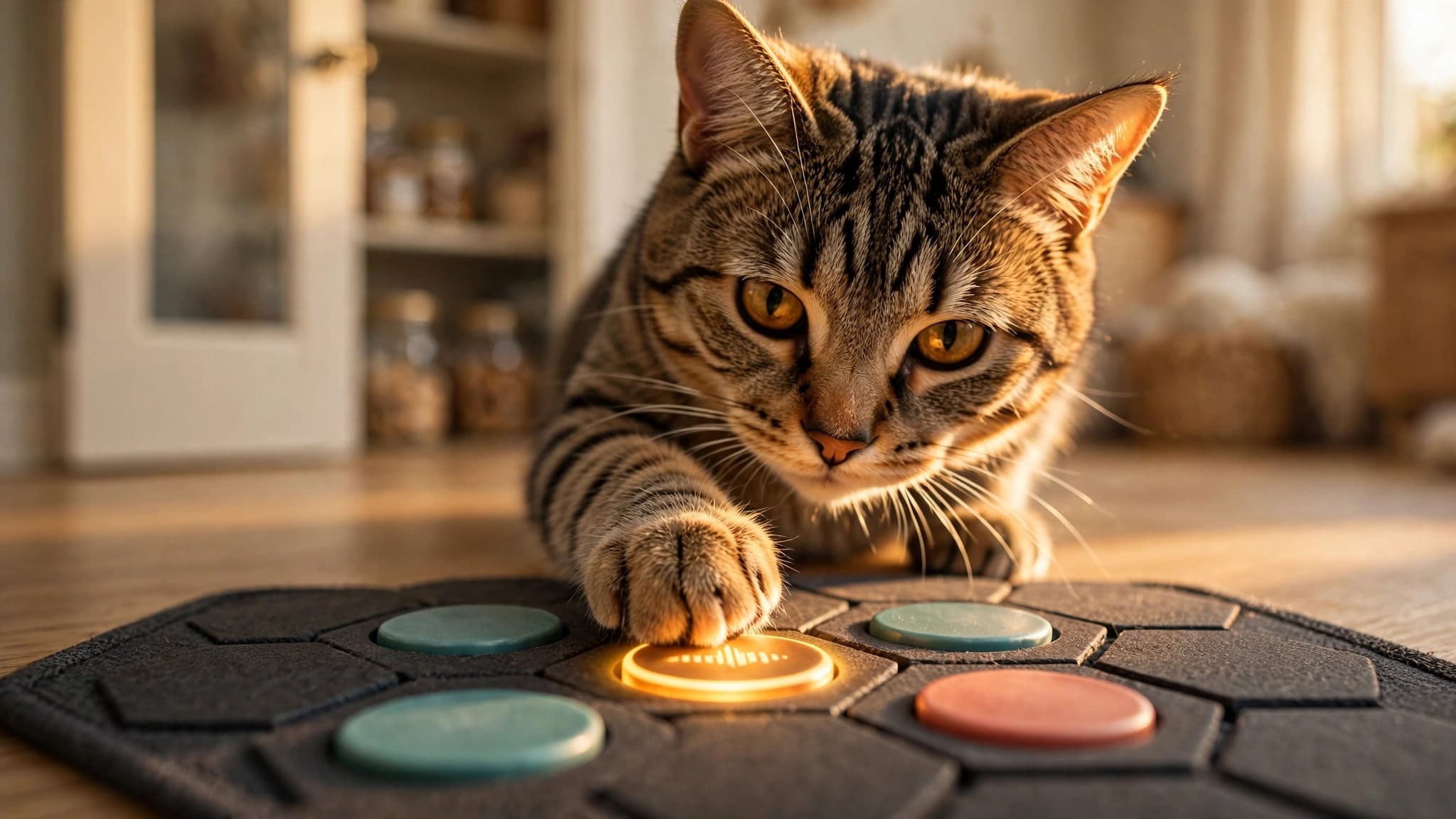
Go slow at home. It can take several weeks for a cat to relax in a new place (Source: American Humane). Begin with a quiet room with food, water, a litter box and a hiding place and gradually open up the house. When your cat is at ease, some owners go as far as trying cat talking buttons to have fun together.
How to Help Black Cats Even If You Can't Adopt
Unprepared to a cat? There is yet something you can do:
Foster: Short-term fosters clear up kennel space and assist timid cats to open up.
Share: On October 27, share the black cat listings of your local shelter. The best photo can be the push somebody requires.
Donate: Sponsor an adoption fee or donate supplies.
Volunteer: Lots of shelters are in need of people to take colorful and clear pictures of their cats.
Speak up: Gently correct the myths when you hear them.
The Bottom Lines:
The color of the fur of a black cat will not tell you anything about his heart. The October 27 celebration is a good lesson not to live in the past, but to see the cat before you. Go to a nearby shelter during the month and request to see a couple of cats and allow personality to lead you. Feel like preparing before? Our adoption and pet travel guides are next to help you get more shelter and rescue tips.
Kogan, L. R., et al. (2013). "Cats in Animal Shelters: Exploring the Common Perception that Black Cats Take Longer to Adopt." The Open Veterinary Science Journal.
Brown, W. P., & Morgan, K. T. (2015). "Age, Breed Designation, Coat Color, and Coat Pattern Influenced the Length of Stay of Cats at a No-Kill Shelter." Journal of Applied Animal Welfare Science, 18(2), 169–180.
History.com. "Black Cats and Superstitions" (historical background on medieval beliefs).
Frequently Asked Questions
When is National Black Cat Day?
It is on the 27th of October annually and in 2026 it will be a Tuesday. In the UK, the observance began in 2011 by Cats Protection, a charity that aims to adopt black and black-and-white cats and U.S. shelters now participate in events and social posts.
What is black cat syndrome?
The name denotes the concept, which states that dark-coloured cats are less adopted and spend more time in shelters, compared to other colored cats. The study is mixed; there are studies that have concluded on stays being a few days longer and there are studies which showed no differences at all or slight differences.
Why are black cats less likely to be adopted?
First impressions are determined by folklore, vaguely photographed dark fur and overcrowded cat rooms. According to shelter staff, dark coats appear flat in online images and merge in the kennels, and some research indicates that stays are a few days longer, but not in all shelters nor all studies.
Are black cats really bad luck?
No, black cats are not bad luck. The myth is folklore and some sections of Britain even regard a black cat as a blessing. The color of fur does not forecast any luck or personality, and thus all black cats are just individuals with their quirks.
Do shelters stop adopting out black cats in October?
It is not universal; some shelters pause or restrict black cat adoptions in October due to the safety of cats around Halloween. Opponents believe that such limits will be counter-productive by reducing adoptions. Most shelters will pre-screen all adopters all year round, and in that case, inquire of your local shelter about their policy.
How do I adopt a cat from a shelter?
Go to a local shelter and see some of the cats, fill out the application, and pay the adoption fee. Inquire about what is included (spay or neuter surgery, vaccinations, and a microchip) and get ready to prepare your home and schedule a visit to the vet within the first few days.
Founder & Lead Pet Care WriterPeer-Reviewed & Tested
Written by Valentina Johnson
Valentina Johnson is a lifelong pet lover and writer who shares practical, easy to follow pet care tips for everyday owners. Her advice comes from years of raising her own pets, backed by real research and conversations with vets and trainers along the way. She's not a veterinarian, and always encourages readers to check in with one for anything serious. At the core of it all is one simple belief: every pet deserves a happy, healthy home.