How Much Does a Dog Cost in the First Year? (2026)
Valentina Johnson
Founder & Lead Pet Care Writer
Hands-On Tested Advice
How Much Does a Dog Cost in the First Year? (2026)
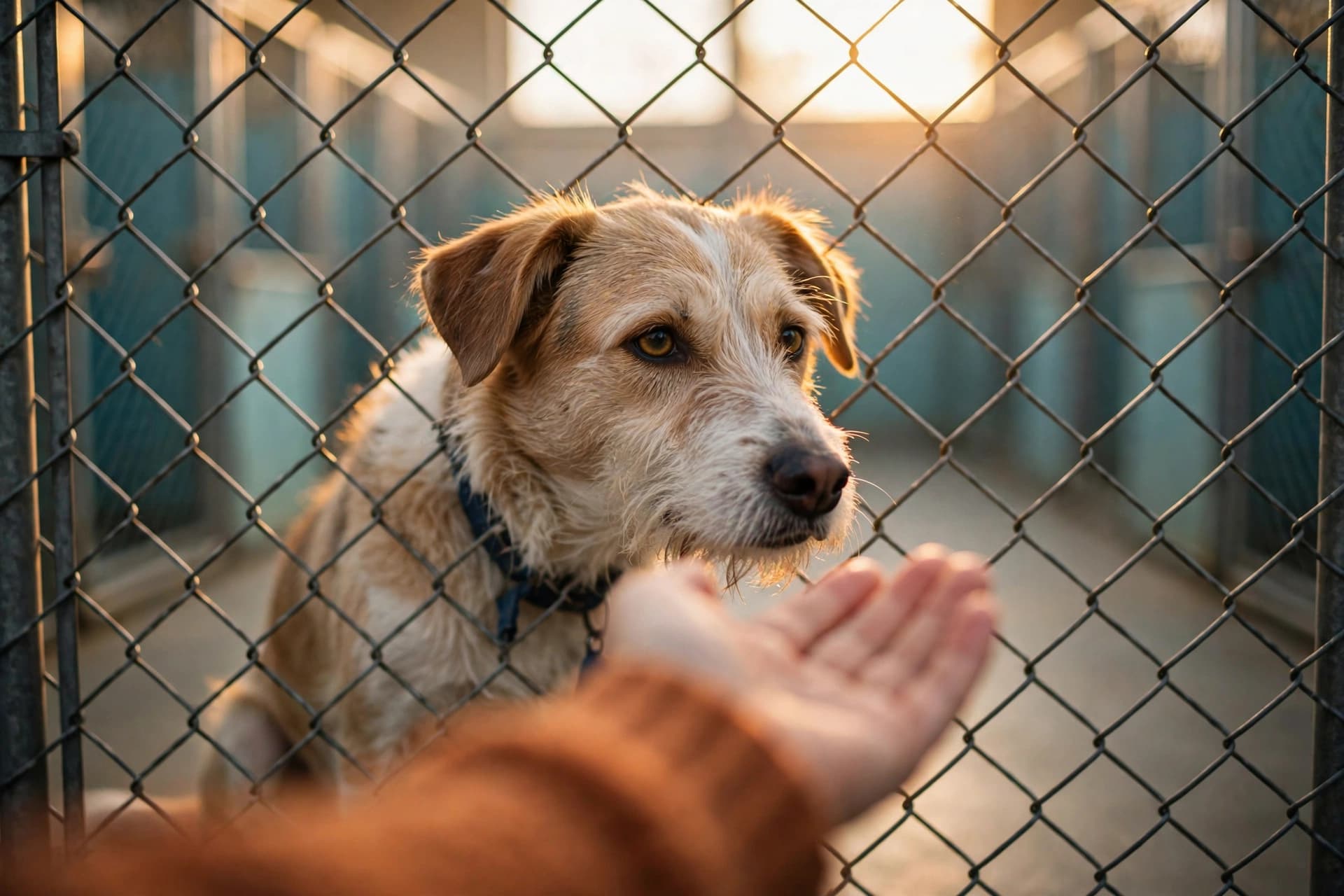
It is a Saturday in October and you are on the local shelter web page and there is a scruffy terrier mix with an ear deformed looking directly up at you. Adoption fee is a deal. Then the truth intrudes: the food, the vet, the crate, the leash, the training class. And, here, in every detail, to such a degree that nothing will happen to you in December when you see your figure in your credit card account.
Summary: The first twelve months cost the owner of a dog approximately 1,600 -5,300 depending on the size of the dog, the type of coat and health, not including the cost of purchasing an animal or insurance. The first few weeks would be a huge amount as you are paying the adoption or breeder fee, vaccines, spay/neuter surgery, and starting supplies. Next the budget subsides in the food, parasite prevention, grooming and training and emergency fund.
First Year Puppy Costs Breakdown: Where the Money Goes
The simplest method of budgeting a new dog is to divide up investment into two buckets. First fixed expenditures are hit at the beginning and hard. The cost of repeat care is lower but they are never-ending. The estimates of the U.S. are all below, so take any range as a base but your zip code, your dog and your vet will move the numbers.
One-Time Setup Costs
Adoption or purchase: $50-500 in the majority of the shelters and rescues and 1,000-3,000 or more in most of the breeders (Source: ASPCA; American Kennel Club).
Spay or neuter: about 50-250 at a low cost clinic, or 300-600 and more at a private clinic, unless paid by the shelter (Source: ASPCA; local veterinary clinics).
First examination and puppy vaccines: between $200 and $500 divided into various visits (Source: American Veterinary Medical Association; local veterinary clinics).
Microchip and ID tag: $25-60, frequently included with adoption.
First equipment: about $230700 of initial equipment in the necessaries, as detailed in the gearing section below.
The American Veterinary Medical Association claims that in their first few years, puppies typically need to be given a few boosters of various vaccines, with intervals of weeks between them. Make more than one appointment with the veterinarian (Source: American Veterinary Medical Association).
Recurring Care Costs
The continuity of care constitutes your budget after establishing. The largest line item is food particularly with large dogs. Then comes the prevention of fleas, ticks and heartworms, grooming and training. Many U.S. cities have a license fee of approximately 10-50 a year (Source: local municipal animal services).
The expense that individuals overlook and regretted is training. A six-week group puppy course will usually cost between $100 and $300 ( Source: local trainers ) and may avert much more expensive chewing and house-soiling damage. Small breeds have their own peculiarities, as it is shown in the Chihuahua training guide.
Sample Budgets by Dog Size
The following are the amounts of year one of three common size items. These totals do not include purchase price and insurance, the latter of which is considered separately.
Expense (Year One)
Small (under 25 lbs)
Medium (25–60 lbs)
Large (60+ lbs)
Food and treats
$350–$600
$500–$900
$800–$1,500
Vet care, vaccines, spay/neuter
$500–$1,000
$600–$1,100
$700–$1,300
Flea, tick, heartworm prevention
$200–$400
$300–$550
$400–$700
Supplies and setup
$300–$600
$350–$700
$450–$900
Training
$100–$400
$100–$400
$100–$400
Grooming
$150–$600
$100–$500
$100–$500
Estimated total
$1,600–$3,600
$1,950–$4,150
$2,550–$5,300
Small dogs have food and medication on the side, whereas a long-coated breed can reverse the grooming procedure. The bigger dogs are costlier on all fronts, larger crates, higher dose of drugs and larger portions.
Is It Cheaper to Adopt or Buy a Dog?
The short-term adoption costs are approximately less when compared to the retail price, but the discrepancy is not as much as it might seem. A shelter fee usually consists of vaccines, a microchip and spay or neuter surgery. The price of a breeder does not normally. When you charge such services to a breeder puppy, adopters will generally possess around 500 to 2500 dollars in their pockets.
Shelter or Rescue
Reputable Breeder
Typical fee
$50–$500
$1,000–$3,000+ (some breeds higher)
Often included
Vaccines, microchip, spay/neuter
First shots, health records, sometimes a health guarantee
Age options
Puppies through seniors
Mostly puppies
Predictability
Mixed breeds can be harder to predict
Easier to predict size, coat, and temperament
Neither side is guaranteed of price. The American Kennel Club releases instructions on how to identify a responsible breeder, such as health testing and open kennel visits. The high cost of health problems can be achieved by purchasing a puppy mill or the seller who will not show you the parents and therefore avoid these sources. It is on our shelter adoption walks that we learn what to enquire before committing.
One should keep in mind that food, veterinary care, and supplies will not differ significantly, no matter where you got your dog. The actual variance is in the initial fee.
What Do I Need for a New Dog Checklist (and What It Costs)
Individuals are on a buying spree by buying everything at once. Below are the basic requirements, which can be added with additional items after you have to learn the character of your dog. The larger dogs will demand larger equipment, which can add up to as much as 900.
Item
Typical Cost
Notes
Crate
$40–$150
Choose one with a divider that grows with your dog
Bed
$30–$100
Washable covers save headaches
Collar or harness, plus leash
$30–$80
Adjustable styles fit a growing puppy
ID tag
$5–$15
Add your cell number
Food and water bowls
$15–$40
Stainless steel or ceramic is easiest to clean
Toys and chews
$30–$80
Rotate them to keep things fresh
Baby gates or exercise pen
$40–$120
Keeps curious puppies out of trouble
Brush and nail clippers
$20–$60
Match the tool to the coat
Enzymatic cleaner and waste bags
$20–$45
Accidents are part of the deal
Estimated total
$230–$690
Before food
Crates, gates and carriers can be bought second hand but in a good condition. New leashes, harnesses and bowls to be safe and clean. Our gear and product guides are not based on guesswork when comparing the popular options.
Average Dog Expenses Per Month After the Setup Phase
After the first few hectic weeks, expenditure is settled and foreseeable. A majority of families are in the bracket of 75-300 per month in the regular care.
Food: 30–110
Flea, tick and heartworm prevention: $15-60.
Grooming (averaged out): 10–70
Treats, toys, and waste bags: 15–35
Training or enrichment: 5–25
Those are excluding such extras as dog walkers (costing between 20-30 dollars per walk) and boarding (average cost is between 40-80 dollars per night) (Source: local providers). These are to be budgeted separately in case of frequent travelling or working many hours.
Easy Ways to Lower Monthly Spending
Bulk or autoship save at the shops, and read our nutrition and feeding books to make good selections at fair prices.
Talk with your vet about generic preventatives against parasites.
Choose classes in classes rather than individual classes.
Visit low-cost vaccination clinics to have routine vaccinations.
How Much Does Dog Insurance Cost?
Dogs accident-and-illness plans usually cost between $30 and 80 a month which equates to approximately 360 and 960 a year (Source: North American Pet Health Insurance Association). A number of things drive your quote higher or lower:
Breed and size: large and flat faced breeds are very costly.
Age: the more aged the dogs, the greater the premiums.
Deductible and reimbursement: lower deductible or higher rate of reimbursement increases the price per month.
Location: there is a big variation in city and state costs on vets.
Wellness add-ons are optional, and are usually offered as routine care, usually raising the price by an additional 15-40 per month. Waiting periods, usually about two weeks on sickness, are also employed by most insurers, and pre-existing conditions are not covered. The best coverage of a healthy puppy is achieved by early enrolment.
Is it worth it? Use the standard case: between 2000 and 5000- or more, a surgery to remove an object a person has swallowed is necessary. That bill turns out to be a manageable bill when it is a plan that costs 600 a year premiums. To take care of yourself in case you would want to insure yourself, open a special savings account and save it monthly. Our pet health and wellness guides also contain general health care making it predictable when we go to the vets.
Hidden Costs of Owning a Dog Nobody Mentions
The surprise bills are what blow up a budget. Watch for these:
Emergency vet: $1,000-5,000 and more on injuries, swallowed objects or unexpected illnesses (Source: American Veterinary Medical Association; veterinary emergency hospitals).
Dental cleanings: 3001000 + because the dogs have to be anesthetized ( Source:American Veterinary Medical Association).
Pet rent and deposits: 25-75 a month, 200-500 deposit at most rentals ( Source: rental listings).
Boarding and sitters: bills can be piled up on vacation and holiday.
Damage of property: chewing of shoes, scratched doors, stained carpet are typical puppy behaviors.
Fencing or GPS devices: convenient with escape artists.
Daycare: 25-50 per day on average when you need to work long days (Source: local providers).
Skin and ear problems: allergies and infections might need a repeat visit to the vet at a cost of $100-300 each.
Housing and insurance policies: some home insurers and landlords restrict some breeds or raise the premium.
All of these can easily add an extra of $1,000 or so every year. That is why a little emergency fund is the wisest thing to buy prior to the arrival of your dog.
The Bottom Lines:
Ownership is the most expensive in the first year of owning a dog but in this case, it is the most predictable as you are already conversant with the categories. Determine the starting budget to the one-time set up, plan the monthly routine and have a buffer against unforeseen costs so a vet bill would never be a difficult choice. Ready to start shopping smarter? The following one to read: New Puppy Essentials Checklist, and discover what to purchase before your dog is born.
References
ASPCA: pet care cost estimates and adoption information
Local municipal animal services: dog licensing fees
Local veterinary clinics, trainers, boarding facilities, and rental listings: pricing varies by region, so verify against providers in your area
Frequently Asked Questions
What is the price of a dog in the first year?
The initial twelve months cost of purchase price or insurance costs about $1,600 to 5300 to the majority of U.S. owners. The greatest amount of price fluctuation is attributed to size, type of coat and unexpected veterinary expenses hence estimate a cushion of at least 500 dollars.
How much on average do you spend on your dogs every month?
Budget approximately 75-300 monthly on routine care after setting up purchases. That covers food, flea, tick and heartworm prevention, and grooming and extras like insurance, pet sitters and training classes increase the budgets of large-breed owners to the high side of the scale.
Is cheaper adoption or purchases of a dog?
Adoption is generally less expensive in the short term, and shelter expenses are generally lower, between $50 and $500 as compared to $1000 to 3000 or beyond paid to a breeder. The adoption fee usually covers vaccines and microchipping, and spay or neuter surgery, and are otherwise sold separately when sold by a breeder.
What is the cost of dog insurance?
The accident-and-illness dog insurance is normally charged at a monthly rate of about 30 to 80 dollars, based on breed, age, location and deductible. The cost of older dogs, big breeds, and low-deductibles are higher and the sooner you get a puppy the fixed you are not to experience pre-existing condition exclusion on any future claims.
What do you mean by the hidden costs of owning a dog?
The highest unexpected costs are emergency vet visits, dental cleaning, pet rent or deposits, boarding and replacement of items that a puppy has destroyed. The two are capable of adding to an annual increase of $1,000 and more and as a result, it is a wise concept to save an emergency fund.
What shall I need in a new dog, and what will I have second hand?
Start with a crate, bed, collar and ID tag, leash, food and water bowls, food, toys, and waste bags and book a visit to the vet. Re-using crates, gates and carriers can save money and get leathers, harnesses and bowls new to aid in preventing infections.
Founder & Lead Pet Care WriterPeer-Reviewed & Tested
Written by Valentina Johnson
Valentina Johnson is a lifelong pet lover and writer who shares practical, easy to follow pet care tips for everyday owners. Her advice comes from years of raising her own pets, backed by real research and conversations with vets and trainers along the way. She's not a veterinarian, and always encourages readers to check in with one for anything serious. At the core of it all is one simple belief: every pet deserves a happy, healthy home.
Falling for a shelter dog is easy; choosing wisely takes a plan. These seven smart questions cover history, behavior, kids, pets, vet records, daily needs, and adoption terms so you bring home a dog you can keep for life.