Doorbell Desensitization for Dogs: 4-Week Halloween Plan
Valentina Johnson
Founder & Lead Pet Care Writer
Hands-On Tested Advice
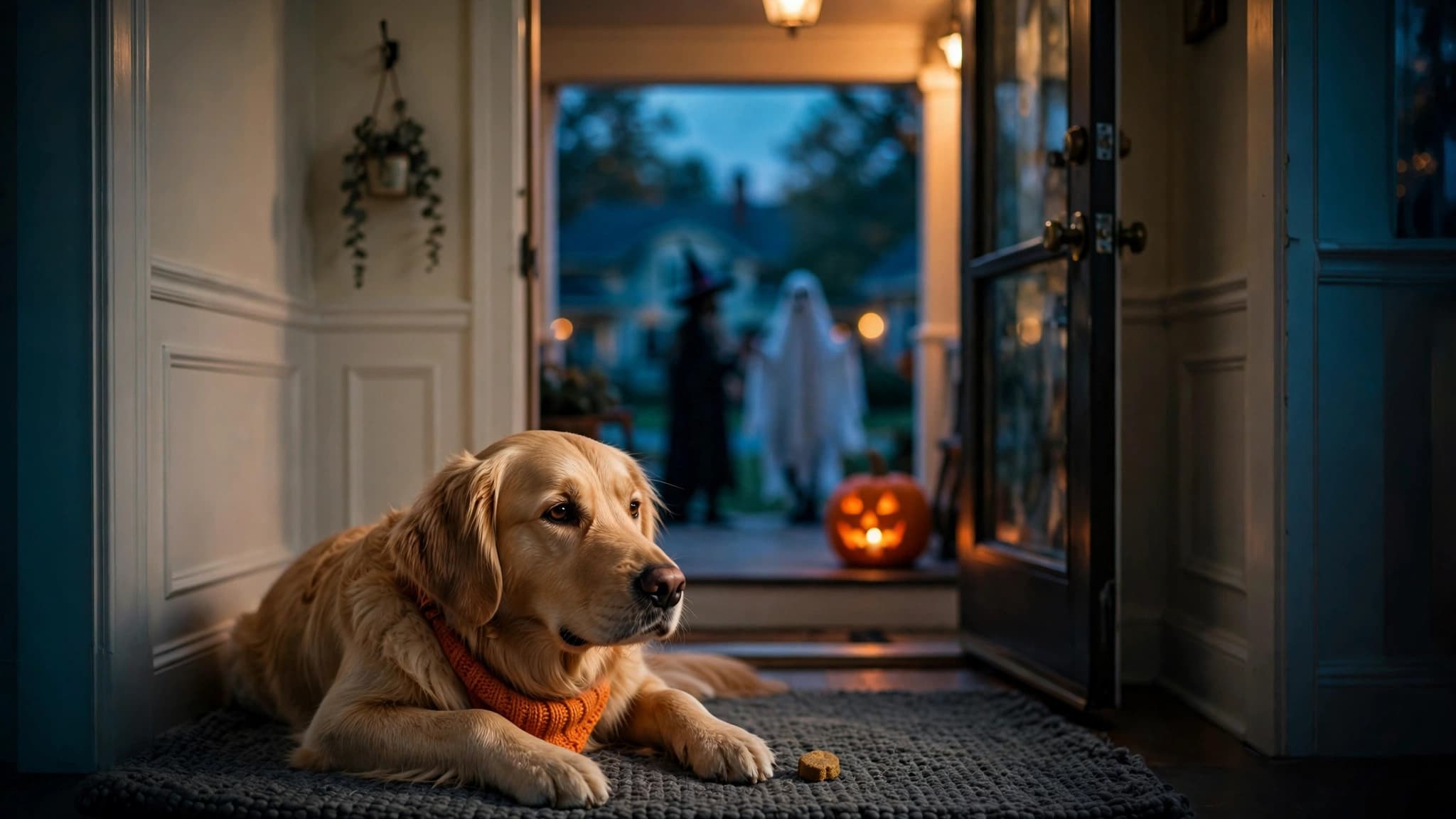
It is 6.45 pm. on Halloween night and the doorbell sounds the 40 th time. Your dog is going round the door and the candy bowl is forgotten. This is a Saturday in October, so chances are likely that the hours will be later in the day and there will be larger groups. The following is a basic four-week training regimen, which will begin this week, that will teach your dog to remain calm when all the bells, knocks, and costumes appear at the same time.
Quick Answer: Train your dog to understand that good things are at hand when the bell is on. Record a soft sound, attach each ring to a small reward, gradually increase the volume, a true door, and dressed assistants in more than four weeks. Small doses of 5-10 minutes a day are better than a marathon on the weekend.
What Makes Dogs React to the Bell (and Why Halloween Is Harder)
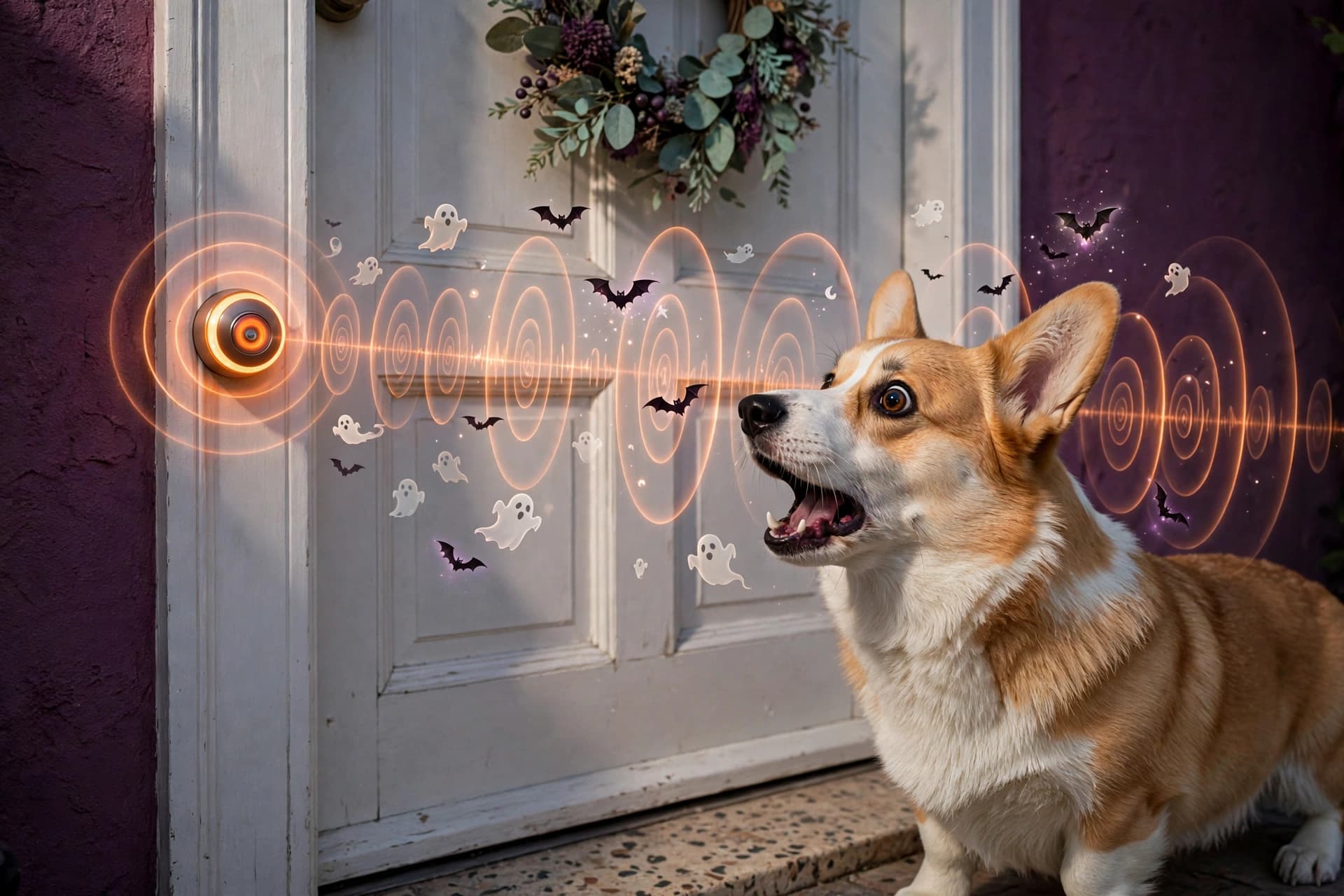
Dogs are trained in associations and a bell has always been a bell: someone is at the door. With time, that chime becomes an alarm that goes off and says, Get up and do this!
The vast majority of door-barking is of three kinds:
Excitement: The dog is very fond of visitors and is unable to restrain himself.
Guard or alarming: The dog is warning of a stranger.
Fear: The dog wants the stranger to go away.
The sound is the same on the couch, however, the sensation below is different. The least patience and the slowest speed is fear.
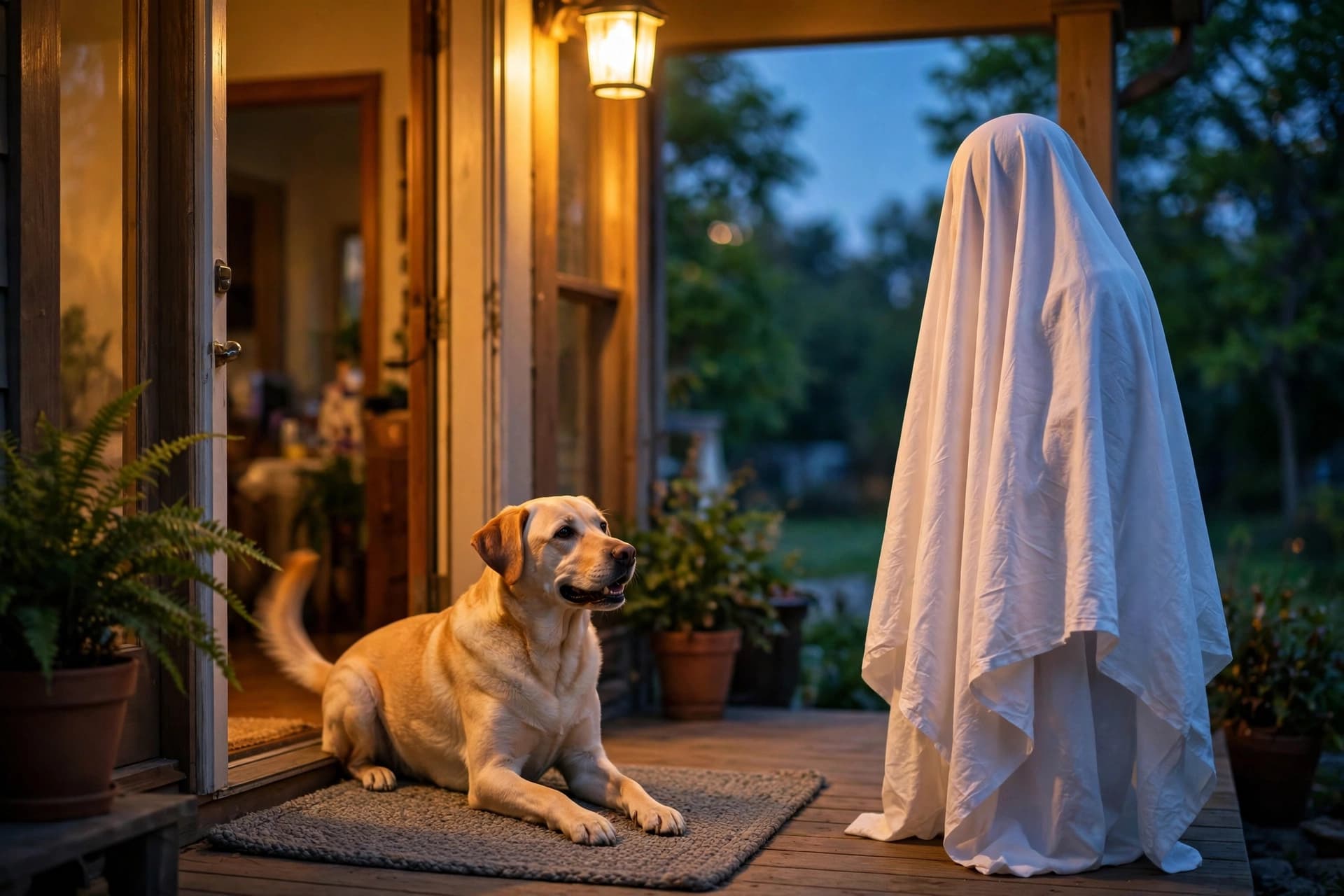
The deck is stacked with Halloween. The ASPCA cautions against the presence of a multitude of visitors, most of whom dress in costumes unknown to their pets, which can be frightening and annoying to pets (Source: ASPCA). Hats, giant capes, and masks alter the appearance and the movement of a person and may be confusing to a dog familiar with the regular faces in the neighborhood.
Halloween is on a Saturday this year. There is no school the following morning, so until late in the evening, the bell might continue to ring. A dog, which has practised, is much better prepared than one which arrives at the entire parade in cold.
How to Desensitize a Dog to the Doorbell: The Core Method
The technique consists of two stages and they are easy.
Gradual exposure involves playing the trigger very quietly such that your dog hardly notices it then gradually increasing the volume. Counterconditioning involves associating that sound with a good thing, such as chicken, so the bell begins to predict a good thing rather than a bad one. According to veterinary recommendations, this combination may be useful with moderate to high noise fear degrees (Source: VCA Animal Hospitals).
The training must also be rewards based. The American Veterinary Society of Animal Behavior suggests that reward-based approaches should be used exclusively, and discourages the use of aversive approaches to behavior issues (Source: AVSAB). That is, none of the yelling, spray bottles, and shock collars.
The golden rule is to keep below threshold. That is where your dog hears the noise but behaves normally. In case she ceases to take treats, you proceeded too quickly. Take two steps backwards.
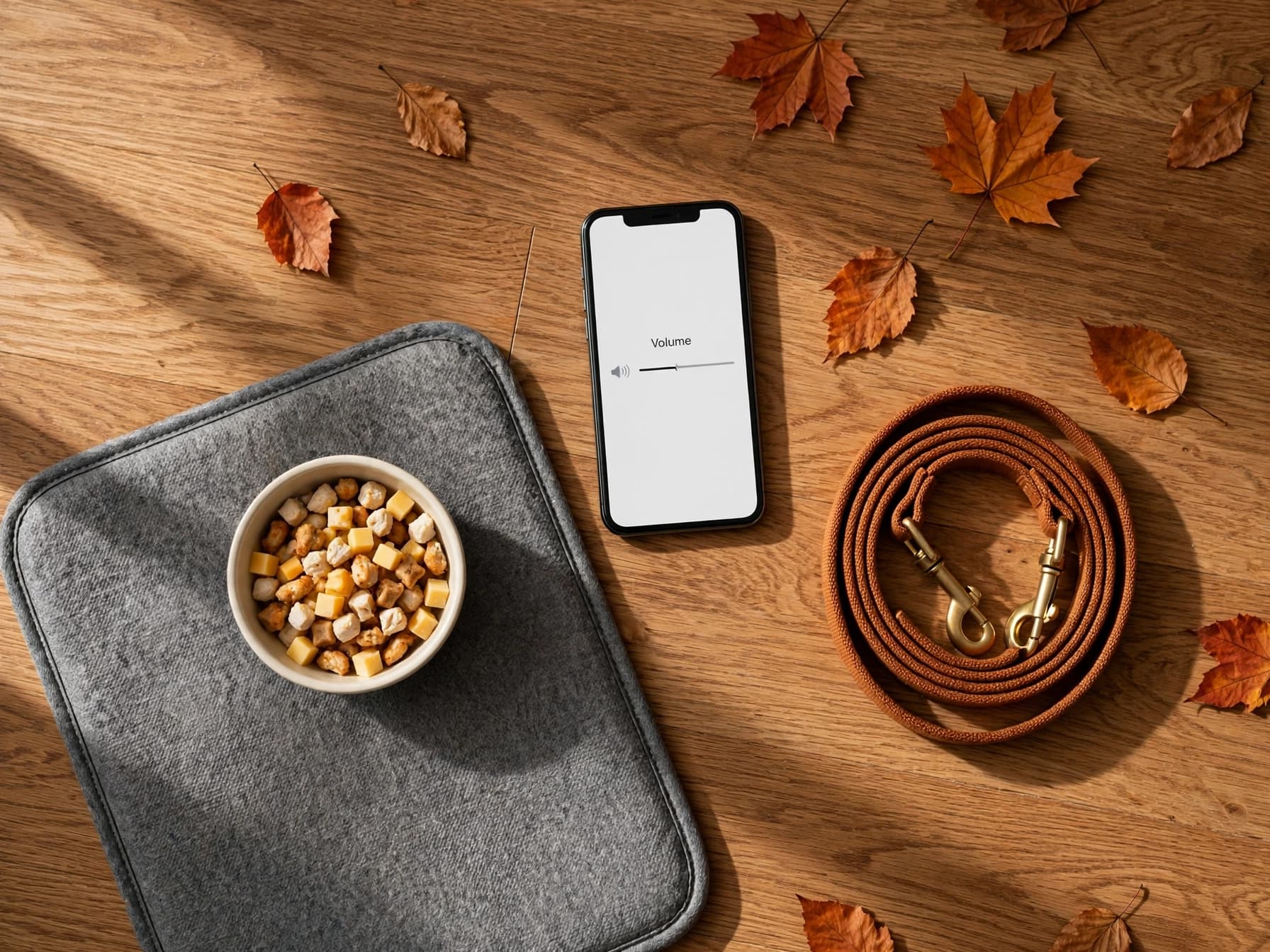
What you'll need:
An intercom shot (free online) or an extra wireless bell.
A cell phone or speaker that has an adjustable volume.
High-value, pea-sized, cookies, including cooked chicken, cheese cubes or soft training treats.
A bed or mat to sleep on by your dog.
A helper (family member or friend) for weeks 2 through 4
Some costume items: a hat, a mask, a long coat, and a bedsheet.
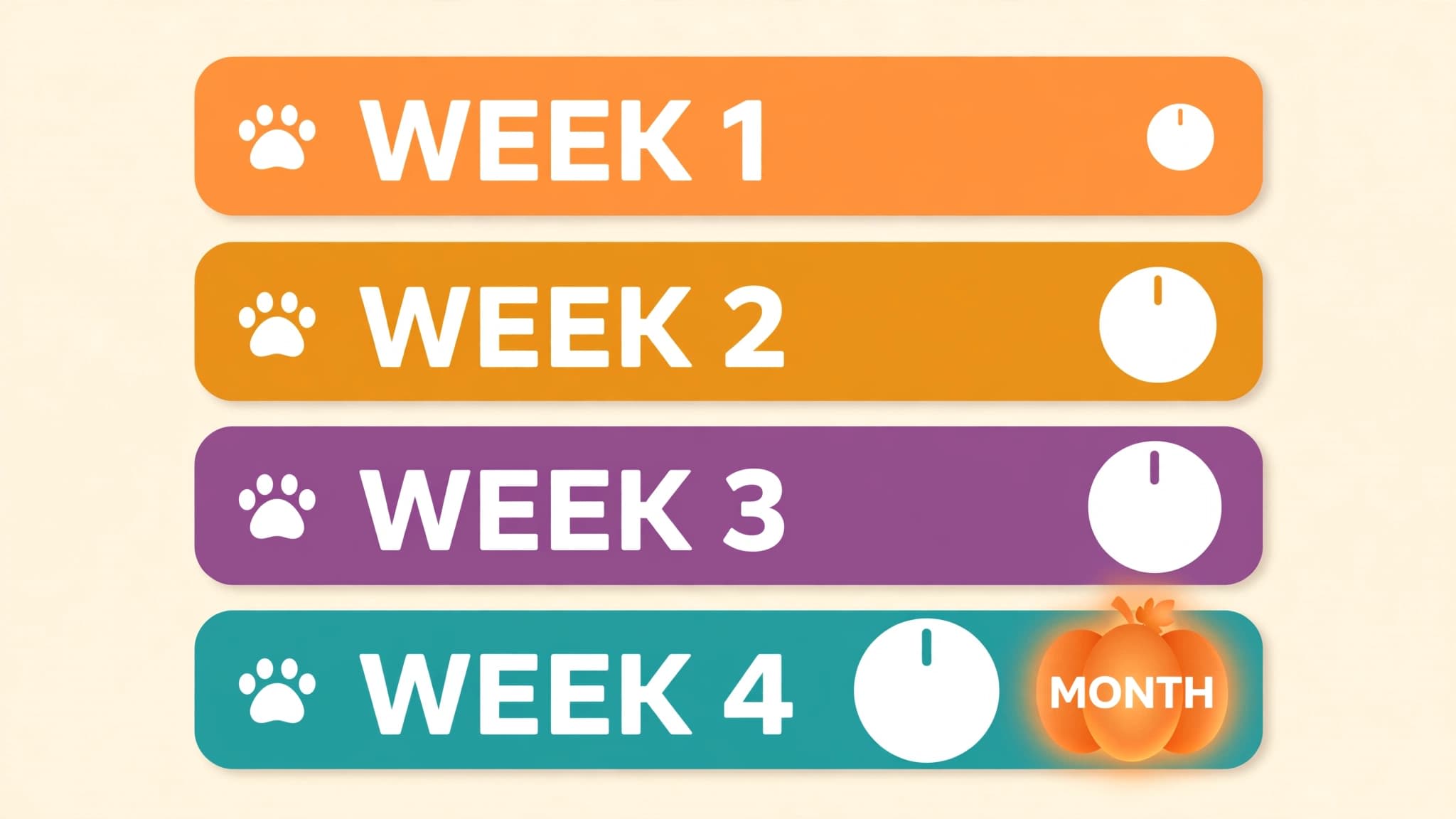
Best Way to Train Dog to Ignore Doorbell: Your 4-Week Calendar
Begin Sunday, October 4 and end on Halloween, Saturday, October 31. The weeks are cumulative and therefore you should not jump.
Week
Goal
Practice time
1
Bell sound = treats at low volume
2 × 5 min daily
2
Real bell and door, with a helper
1–2 × 5–10 min daily
3
Knocks, voices, and costumes
1–2 × 10 min daily
4
Dress rehearsal and game plan
One 20–30 min rehearsal plus short refreshers
Week 1 : Teach the Bell to Mean Treats
Choose a room that is not distracting.
Sound the doorbell very softly so that your dog hardly pays attention.
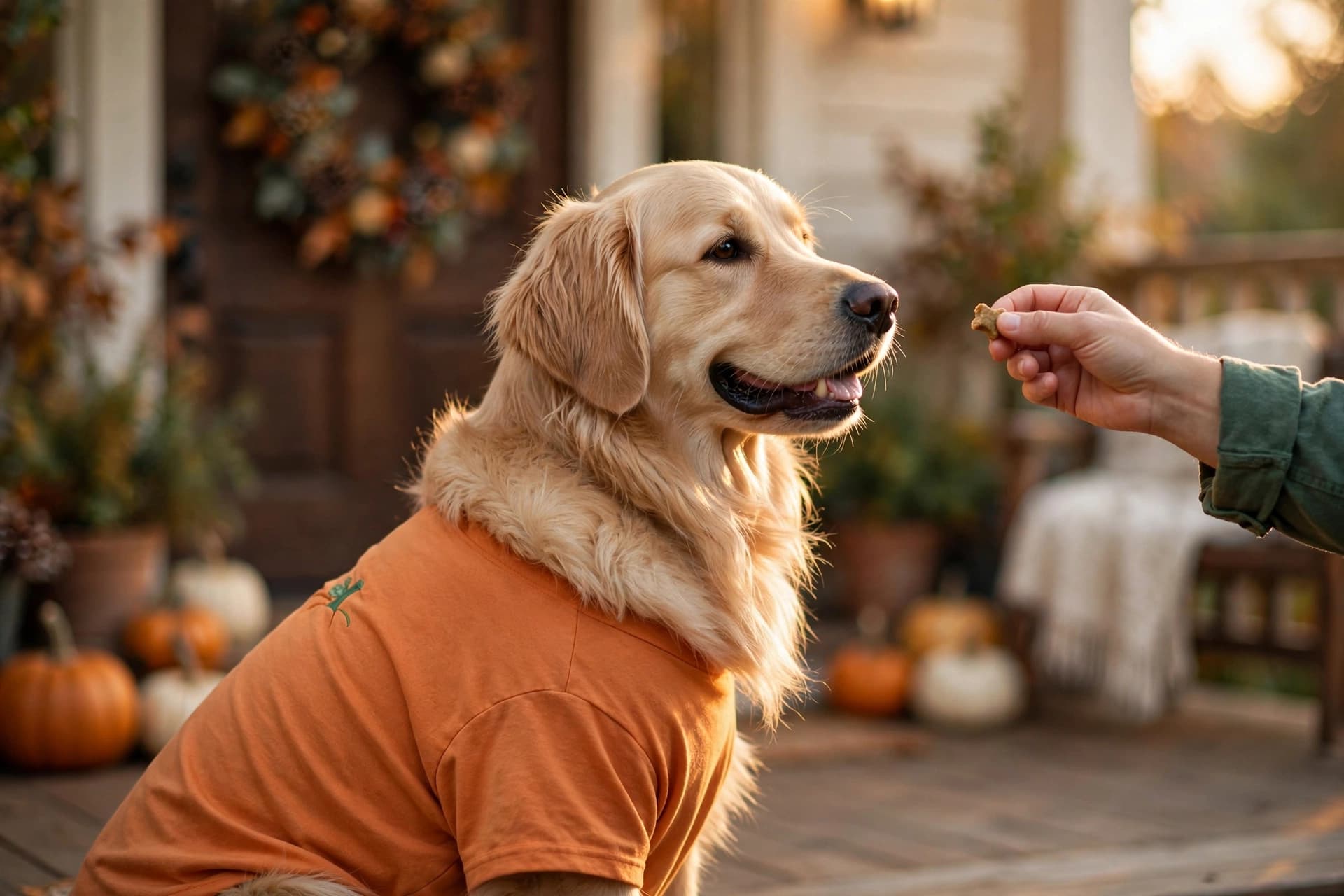
As soon as it comes on, pass one of the treats. Always treat later, first sound.
Repeat 10 to 15 times, each time, there is a pause of a few seconds.
Do 2 times a day and last approximately 5 minutes.
It is advisable to increase volume by a single notch after three sessions of loose and relaxed behavior.
Add side skill: "go to your mat. Reward your dog each time she lies down on it. This becomes her home base on Halloween night.
By Saturday, you want to have approximately half volume with no barking. In case barking occurs, reduce the volume and repeat the simpler step.
Week 2 : Bring In the Real Door
Now add the actual. Sessions are 5-10 minutes long, once or twice a day.
Place your dog about 15 feet in front of the door. Press the real button with a helper. Take as soon as it strikes.
Signal go to your mat and praise quiet behavior every 3-4 seconds.
Then ask your helper to open the door a little and then close it. Treat.
Gradually reduce the distance to 15 feet by half to 6 feet.
Install a leash or baby gate in case your dog can bolt.
Give up when your dog is performing well. A brief, effective session is better than a long, shaggy one.
Week 3 : Add Knocks, Voices, and Costumes
That is where Halloween begins to become a reality. Add elements one after another:
knocking and a merry trick or treat! of your helper.
The wrappers of the candy rustling, A rustling bag.
The voices of kids, first low, then more pronounced, of a speaker.
One piece of costume at a time, as follows: A hat, then a pair of sunglasses, then a mask carried on the side of the body, and lastly the complete outfit.
Your helper must not pay attention to the dog, but stand still, and never bend over or reach. Reward your dog each time you have a new thing. Should she freeze or move away, create some space and go back to the last step.
Week 4 : Dress Rehearsal and Game Plan
Halloween night is hours long, and a training session is minutes long. So have one 20-30 minutes dress rehearsal in the middle of the week, on Wednesday or Thursday evening. Add some rings and various costumes, and lots of snacks.
Then set your plan of Saturday:
Exercise early. Take your dog on a long walk at night before bedtime and she will be happily tired.
Check the ID. According to the ASPCA, additional guests, unfamiliar costumes may scare pets to run way, thus ensure that tags and microchip information is not outdated (Source: ASPCA). Another level of protection is a tracker. See our AirTag vs. Fi collar comparison.
Check the silent room. Review the following calm-room routine to ensure that it is not unfamiliar on October 31.
Dog Scared of Trick or Treaters? Signs of Stress to Watch For
You cannot tell how your dog feels by barking alone. Examine the rest of her body.
Relaxed and learning
Stressed and over threshold
Loose, wiggly body
Stiff or frozen posture
Soft eyes, normal blinking
Wide eyes with whites showing
Takes treats gently
Refuses food
Neutral ears and tail
Ears pinned back, tail tucked
Settles on the mat
Pacing, trembling, or hiding
Occasional sigh or stretch
Heavy panting, lip licking, or yawning when not hot
When you notice a few stress indicators, you have overshot. Add space, reduce intensity, and provide a treat which she can literally consume. A dog who is going to starve you to death is saying it is time to break.
How to Keep Dog Calm During Trick or Treaters on Halloween Night
Training will be helpful, yet Saturday night requires a clever arrangement as well. Imagine that it is two layers: skills and safe space.
Before dusk
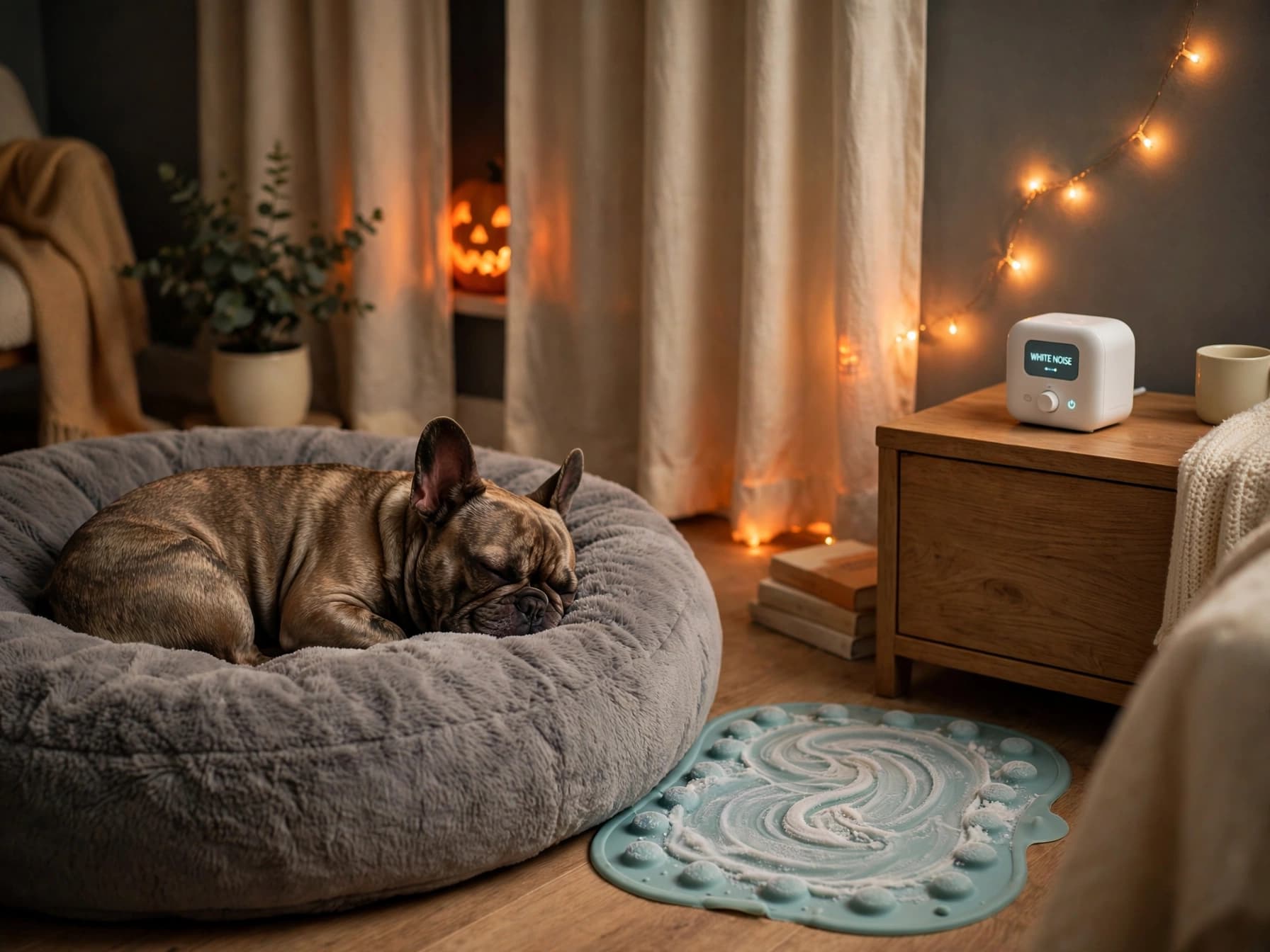
Feed dinner early, or in a puzzle feeder or lick mat.
Complete potty training and the night walk.
Create a calm room
Choose a room that is not near the front door, and has a closed door or a strong gate.
Include her bed, fresh water, a chew of choice, and white noise or soft music.
Shut the curtains to keep off glaring lights and passing shadows.
According to the ASPCA, it might only be important to keep your pet away of the trick-or-treaters. It also recommends discussing your vet much earlier on in case you believe you need additional assistance (Source: ASPCA).
Cut down on door traffic
Place a candy bowl in the yard with a note: Take 2, please! Our dog is in training."
Or go out with the bowl and not have any one ring.
Keep your dog at home. Never leave her alone in the yard.
If your dog joins the fun
Keep her on a leash, or behind a gate, and have treats in your pocket.
Dress each ring, as in rehearsal.
In case she demonstrates stress, take her to her peaceful room. Nothing wrong with it.
Stop Dog Barking at Doorbell: Common Mistakes and Fixes
Mistake
Why it backfires
Fix
Moving too fast
Pushes your dog over threshold
Drop back two steps
Treat arrives after barking starts
The lesson gets muddy and barking can get rewarded
Lower the volume so the treat lands first
Scolding, spray bottles, or shock collars
Adds fear and goes against veterinary behavior guidance
Reward calm behavior only
Practicing only with a recording
Your dog learns the real door is different
Mix in the real bell and a helper
Long sessions
Focus fades and stress builds
Keep it to 5–10 minutes
Expecting perfection by Oct. 31
Fear needs time
Use the calm room as backup and keep training afterward
The same patience is required with small dogs. Our Chihuahua training teacher demonstrates how the reward system can be applied to a pint-size student.
When to Call a Vet or Behaviorist
A DIY plan is not the only plan that some dogs require. Contact your veterinarian in case your dog:
Shakes, salivates, or urinates a lot when the bell sounds.
Attempts to run away, bites doors, or injures herself.
Unable to resolve hours following a trigger.
Acquires a new phobia towards sounds.
Veterinary advice suggests that medical issues like pain may be a cause of noise sensitivity. It also states that dogs that have extreme fear or phobic behavior should be assisted by a professional (Source: VCA Animal Hospitals). Your vet will be able to check underlying causes and talk about the sense of calming or medication.
In more complicated situations, use the ACVB Find a Diplomate directory to locate a board-certified veterinary behaviorist(s) (Source: ACVS). All states do not, but most call local vets on the phone. Don't wait till October 30. Make a reservation and give time to plan.
Four weeks of small, candy-filled practice can make a messy doorbell nothing more than a sound. Begin small and slow, like whispering, and prepare to do the same on Saturday night in case you have no backup and you must rely on the room to get you through. Perfect does not necessarily mean a win. Prepared to continue with the rest of your Halloween preparations? Check our Halloween dog safety checklist to take candy, costumes and ID tags before October 31.
American Veterinary Society of Animal Behavior (AVSAB). "Humane Dog Training Position Statement." avsab.org. https://avsab.org/resources/position-statements/. Supports the points on reward-based methods only and avoiding aversive methods.
American College of Veterinary Behaviorists (ACVB). "Find a Diplomate." dacvb.org. https://www.dacvb.org/search/custom.asp?id=5985. Supports the points on board-certified behaviorists and phone consults with local vets.
Frequently Asked Questions
How long does doorbell desensitization for dogs take?
Numerous dogs demonstrate evident advancement in three to four weeks of training per day, yet anxious dogs might require several months. Sessions of 5-10 minutes are best and should be once or twice a day. The next step is only to be made when your dog remains relaxed and continues to take the treats.
Why does my dog bark at the doorbell?
Dogs bark when they hear the bell because when the bell sounds the visitor is coming, and it seems the appropriate reaction. Excitement, guarding or fear is normally the cause thus pay attention to body language: loose and wiggly signifies excitement whereas stiff or moving away signifies fear.
How do I keep my dog calm during trick or treaters if training isn't finished?
Prepare a silent room not close to the front door with bed, water, white noise, and long lasting chew before first trick-or-treaters arrive. Stick in a no bell, please sign and a pre-dusk walk to use up the fuss. In case your dog is extremely anxious, discuss the options with your vet.
Can older dogs and rescue dogs learn to ignore the bell?
YES, any age of dog can be taught new associations, however, older and rescue dogs might have slower progress. Make sessions brief, have extra-tasty treats and consult your veterinarian about the case because the history of fear or trauma in the dog may require a more gradual, tailored approach.
Is it okay to keep my dog in another room on Halloween night?
Yes, to most dogs the safest and calm place on Halloween night would be a back room not near the entrance. According to ASPCA, it is possible to keep pets out of the way of trick-or-treaters, as the procession of strangers in costumes may cause even indoor dogs to feel stressed (Source: ASPCA). Turn on some white noise to cover knocks.
What should I do if my dog bolts out the door on Halloween?
Remain calm, call the name of your dog in a jovial manner and do not run after him, this may become a game. Get snacks and leave the dog and follow you, then notify neighbors and call shelters in the area. Lost dogs are guided home quicker with the use of ID tags and a microchip.
Founder & Lead Pet Care WriterPeer-Reviewed & Tested
Written by Valentina Johnson
Valentina Johnson is a lifelong pet lover and writer who shares practical, easy to follow pet care tips for everyday owners. Her advice comes from years of raising her own pets, backed by real research and conversations with vets and trainers along the way. She's not a veterinarian, and always encourages readers to check in with one for anything serious. At the core of it all is one simple belief: every pet deserves a happy, healthy home.
Dressing up your pup should be fun for both of you. Here’s how to pick a costume that fits, stays put, and keeps your dog calm, plus the warning signals that mean it’s time to call it off.
Chihuahuas are now America's most popular dog, and they're smarter than their reputation. Discover simple, reward-based lessons for potty habits, barking, nipping, and leash walking, so your tiny pup becomes a polite, confident companion at home and on the sidewalk.